Discovering St. Emilion wines - Part 1
A recent visit to Saint-Émilion offered a fascinating glimpse into how tradition and modernity coexist in one of France’s most celebrated wine regions. We had the opportunity to visit two very different estates: the sleek, modern facilities of Château Montlabert and the more traditional, time-honored approach of Château Bellevue.
What struck me most was how differently each winery approached the same goal—expressing the terroir of Saint-Émilion. From equipment choices to winemaking philosophy, the contrast was striking. At Montlabert, innovation and precision shaped every step of the process, while Bellevue relied on methods deeply rooted in history, emphasizing continuity and restraint. Yet both produced wines with distinct and compelling personalities, underscoring just how many interpretations this region can offer.
First stop - Chateau Montlabert
Our visit to Château Montlabert began with a guided tour of their winery, and it was immediately clear how deeply they embrace precision and modernity. The facility was immaculate—sleek, well-kept, and polished at every turn—reflecting the discipline behind their winemaking. Our host was warm, knowledgeable, and generous with explanations, walking us through their grape harvesting and winemaking process in detail. We were especially impressed by their rigorous routines and meticulous data logging, which underscore their commitment to consistency and quality. From their methodical approach to fermentation to the use of an automatic grape sorter to select only the best fruit, the entire experience was eye-opening and offered a compelling look at how technology and precision shape their wines.
Watch the short video below to get a preview of this tour.
Our winery tour at Chateau Montlabert on this beautiful fall day. Music credit: Bensound.com
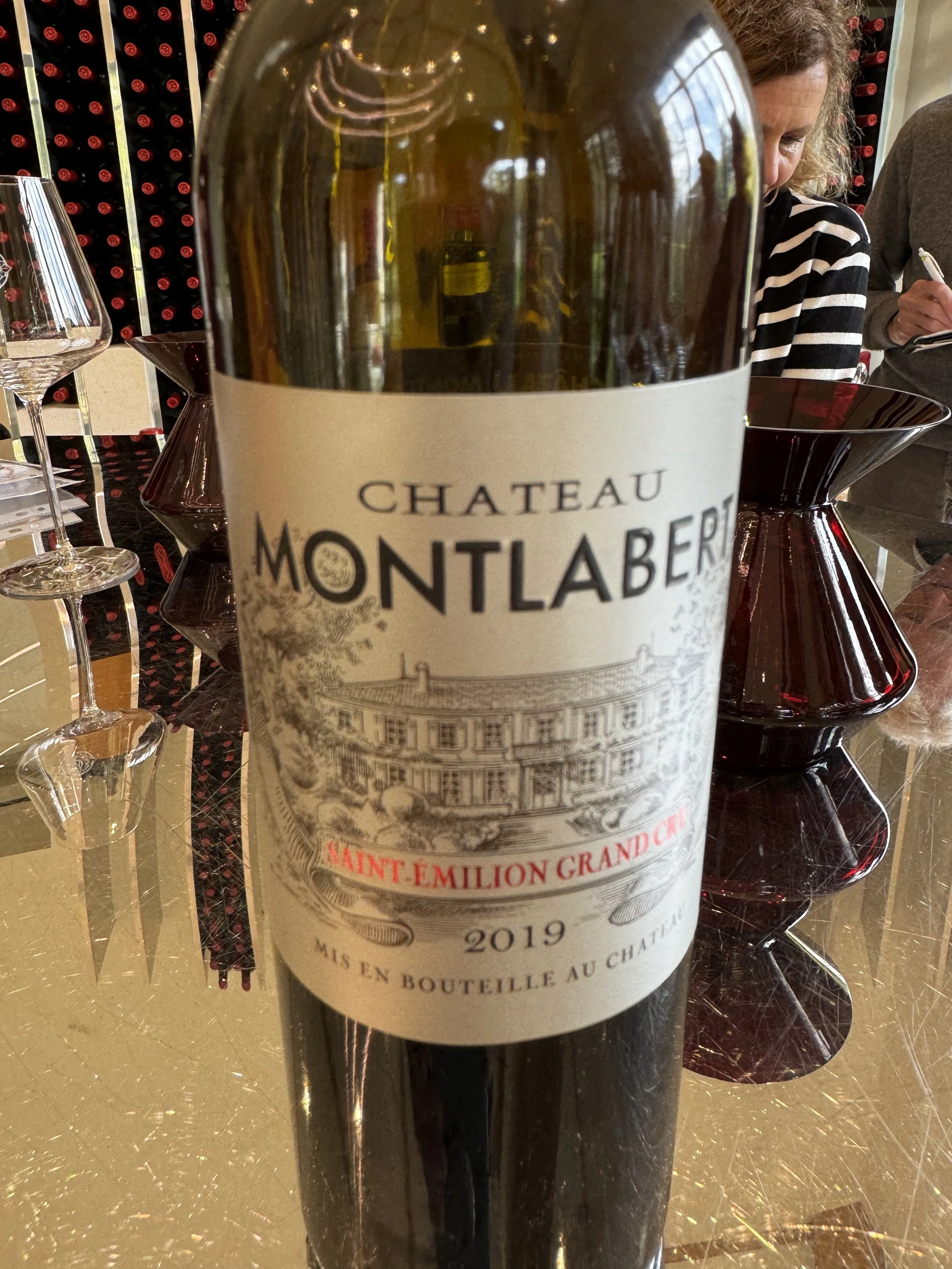
Tasting at Montlabert
After the tour, we sat down to taste the wines. The first wine was a 2021 La Croix de Montlabert which I described as a great summer BBQ wine with a bright acidity with lots of cherries and candied fruit flavors but it is also nicely balanced by the earthy notes from the wine such as leather and oak. For the value, this is a great and easy to drink wine for a summer BBQ.
The 2nd wine we tasted was the 2019 Saint-Emilion Grand Cru. This wine has more prominent black fruit, vanilla notes, and tobacco. Medium tannins but mild. A great value for this Bordeaux wine. You can find my tasting notes and comments in Vivino.
Next Stop: Chateau Bellevue
In contrast, Château Bellevue offered a glimpse into a more traditional and intimate style of winemaking. The smaller facility and hands-on approach reflected a deep respect for heritage and a commitment to preserving time-honored methods. Despite the absence of modern automation, their focus remained firmly on expressing the true character and terroir of the vineyard. Our guide highlighted several traditional techniques still in use today, including manual punchdowns that require a person to physically use their body weight to work the cap during fermentation. Seeing this labor-intensive process firsthand underscored the craftsmanship behind the wines and illustrated how tradition continues to play a vital role in shaping their unique expression.
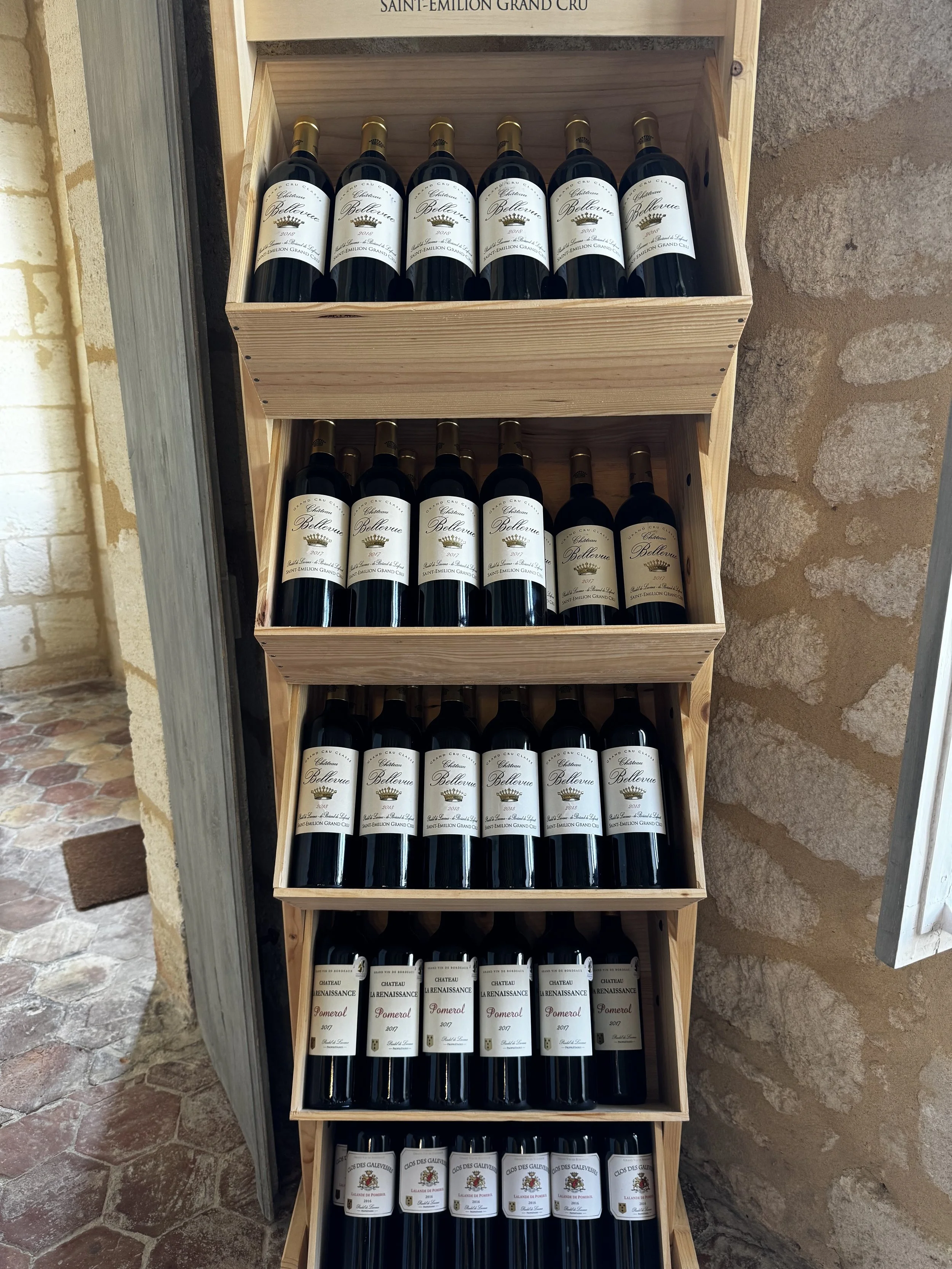
This visit was also memorable for another first: tasting a Pomerol and learning that it can be beautifully paired with fish—something I hadn’t previously considered. It was a reminder that great wines often challenge our assumptions. Watch this video below to get a glimpse of this fascinating winery tour.
The wine tasting at Château Bellevue was especially memorable, as we were welcomed into what was once the winemakers’ home. The setting was warm and cozy, adorned with beautifully preserved French vintage furniture and rich leather sofas, creating an intimate and inviting atmosphere. We tasted four wines—a rosé, two Bordeaux, and a Pomerol, which quickly became my favorite. The Pomerol’s smooth texture and low tannins stood out, making it easy to understand why it can pair so well with fish like tuna or mackerel. By the end of the tasting, we found ourselves genuinely drawn to the wines of Château Bellevue and personally favored their elegant, traditional style.
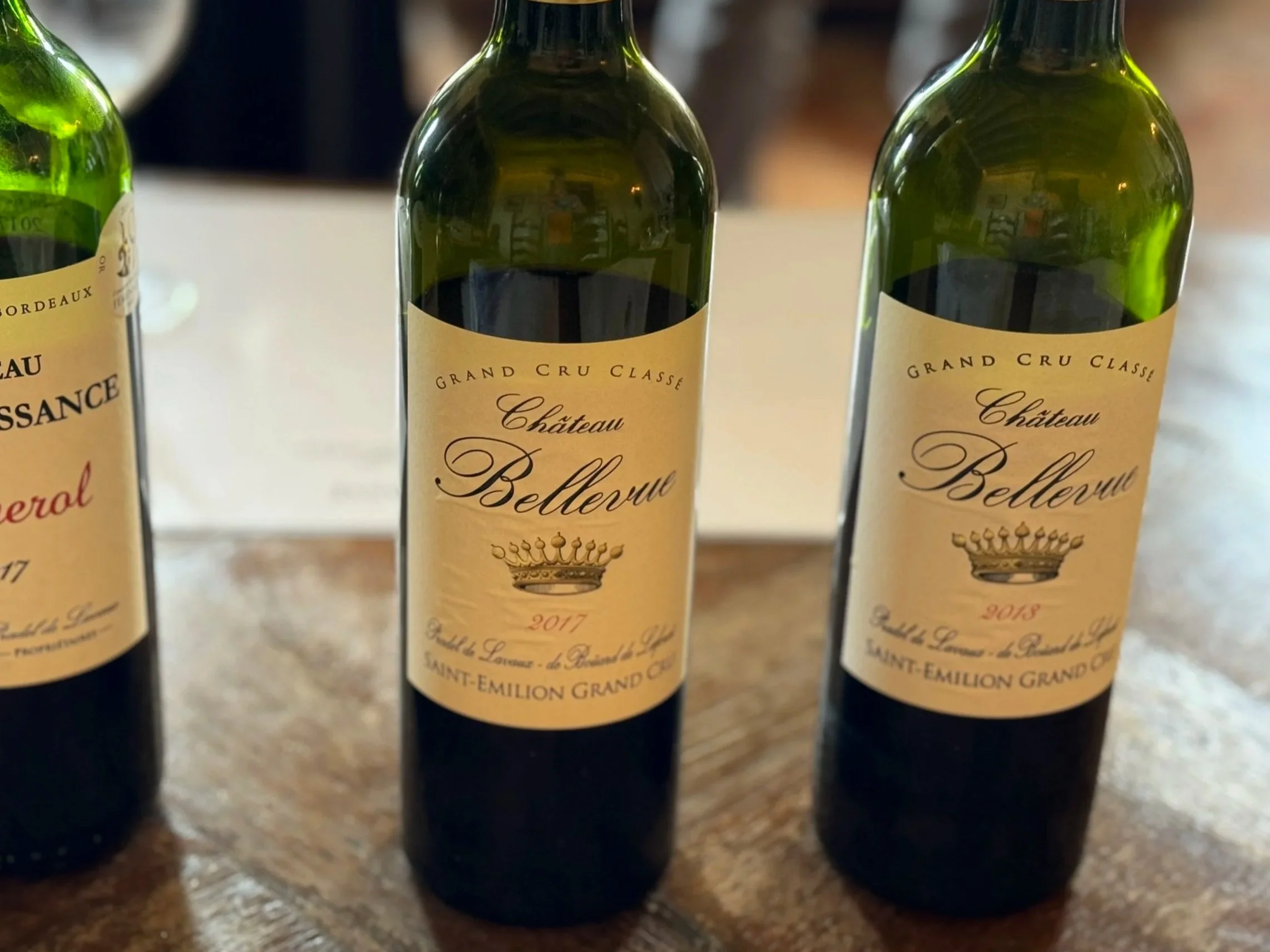
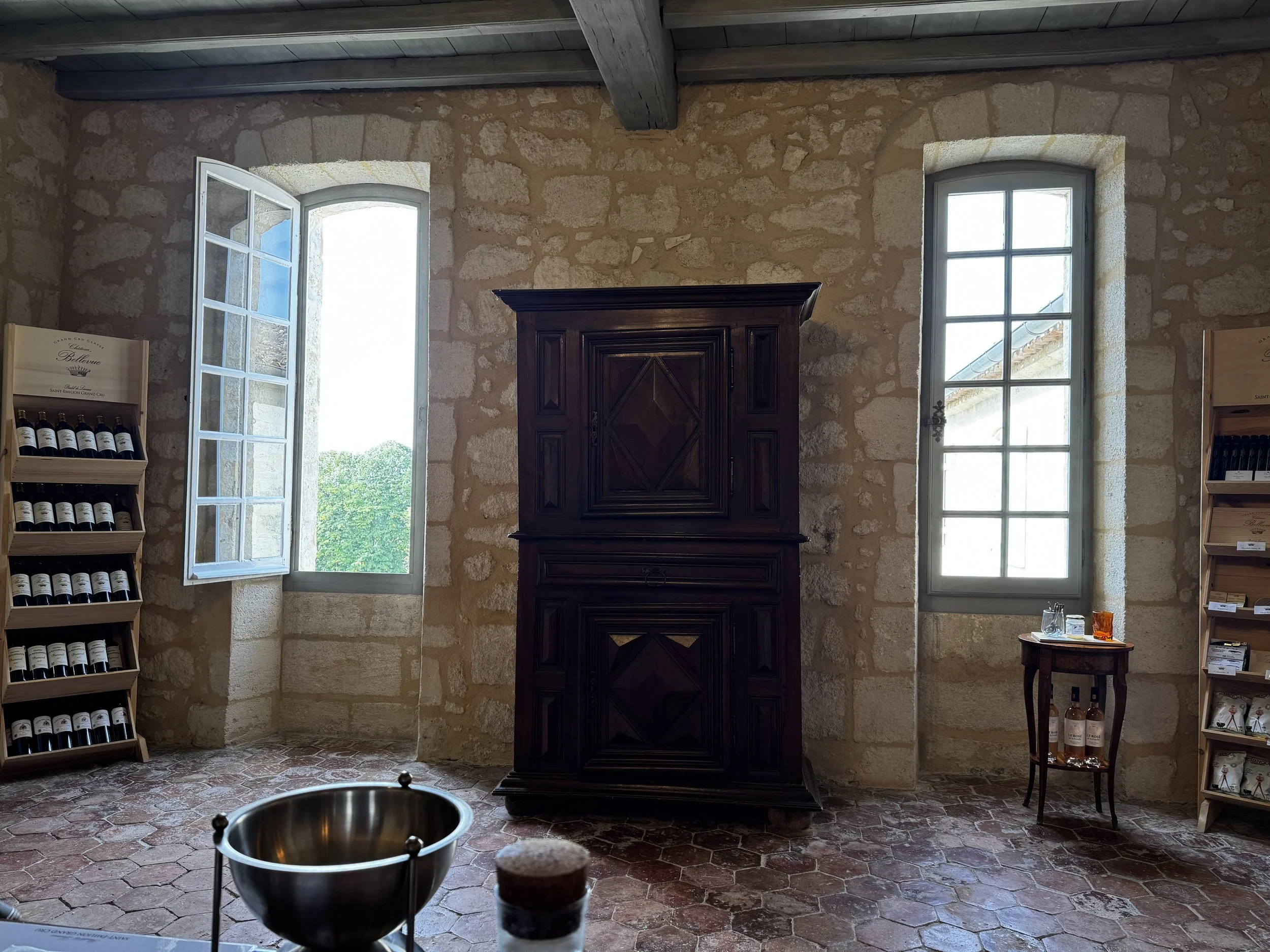
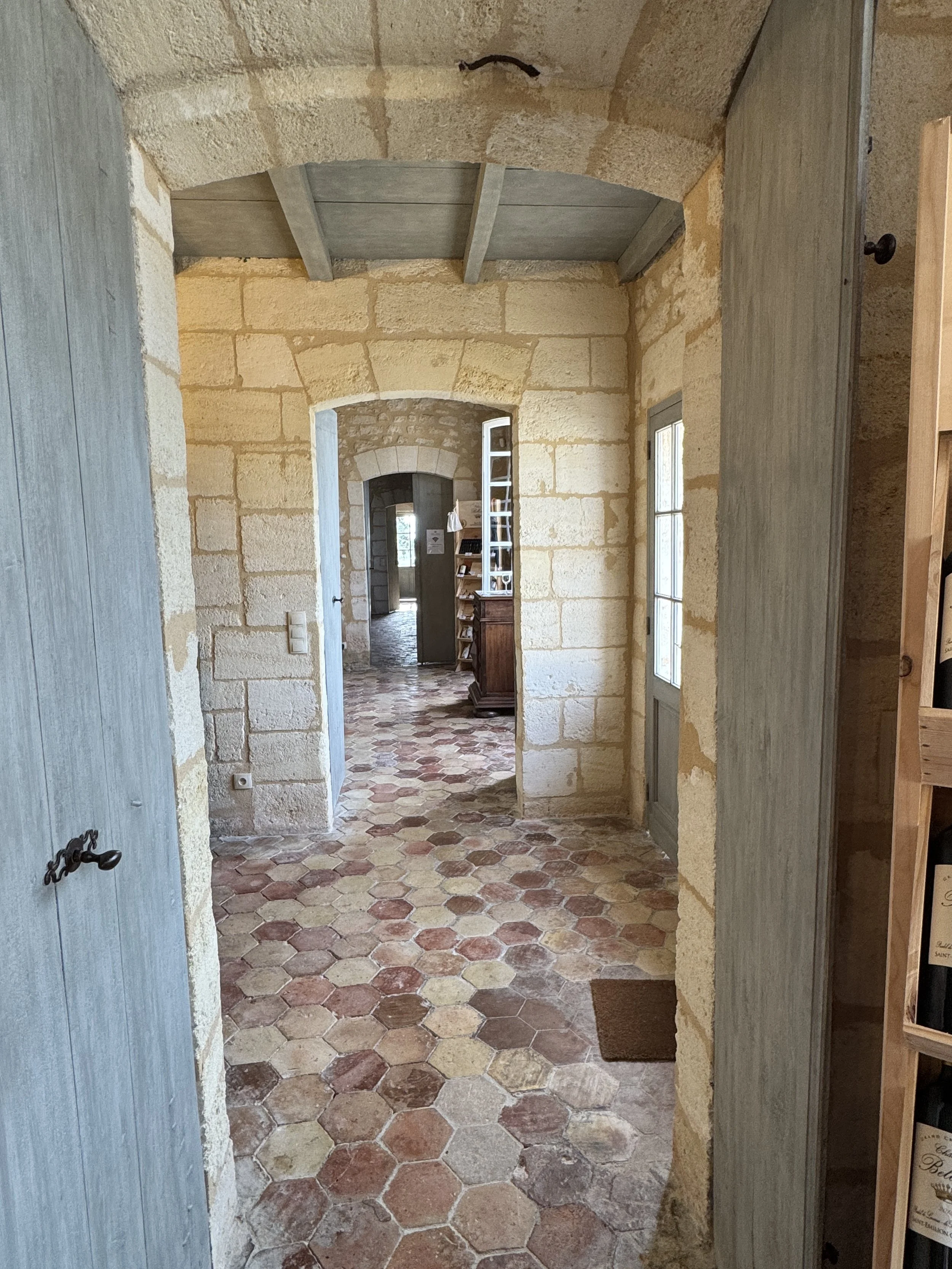
With generous hospitality, insightful conversations, and a crisp fall day as the backdrop, the experience captured everything that makes wine travel so special. Saint-Émilion delivered not just exceptional wines, but a deeper appreciation for the diverse paths winemakers take to tell their story in the glass. 🍷
The morning wine tours and tasting really could not have gone better and set the tone for the rest of this wine tour experience. I have gained yet another level of appreciation for the wine making process after visiting these two wineries and witnessing the contrast in techniques and approach they have to express their wines so beautifully.
Check out the 2nd part of this blog where we explore the town of St. Emilion
