Discovering St. Emilion Wines - Part 2
Our visit to the small town of Saint-Émilion felt like stepping into a living postcard. The town is rich with history, from its beautifully preserved stone buildings to the winding cobblestone streets that invite you to slow down and wander. Traditional French bouchons and outdoor cafés line the streets, alongside charming wine shops and colorful macaron boutiques that add to the town’s irresistible character.
Here are a few photos we took that capture the charm and beauty of the enchanting town of Saint-Émilion. Wandering through its streets evokes a sense of calm and an unhurried pace of life. On a beautiful fall day like this, it’s easy to imagine settling into a café, sipping a cup of espresso, and losing track of time with a good book in hand.
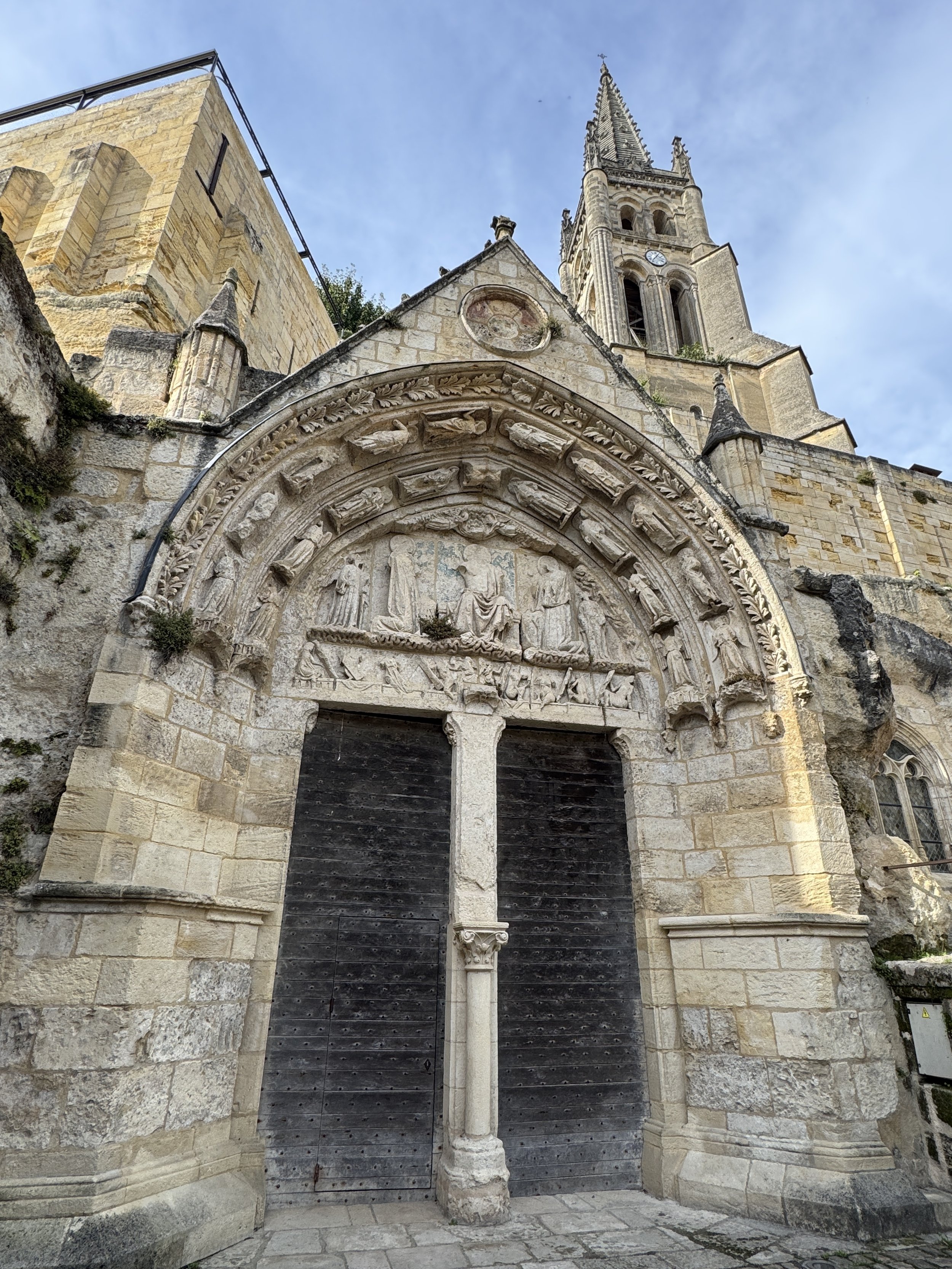
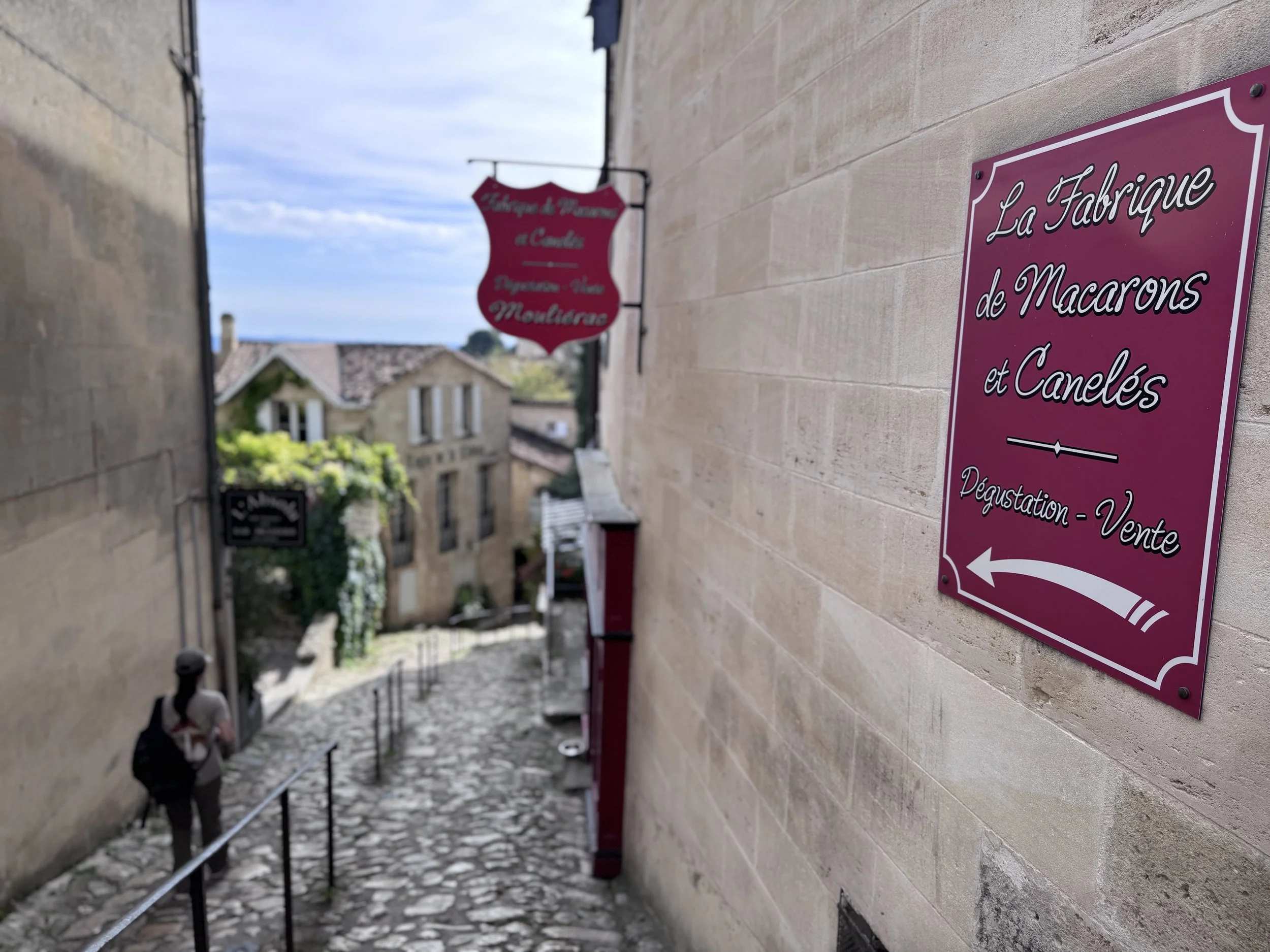
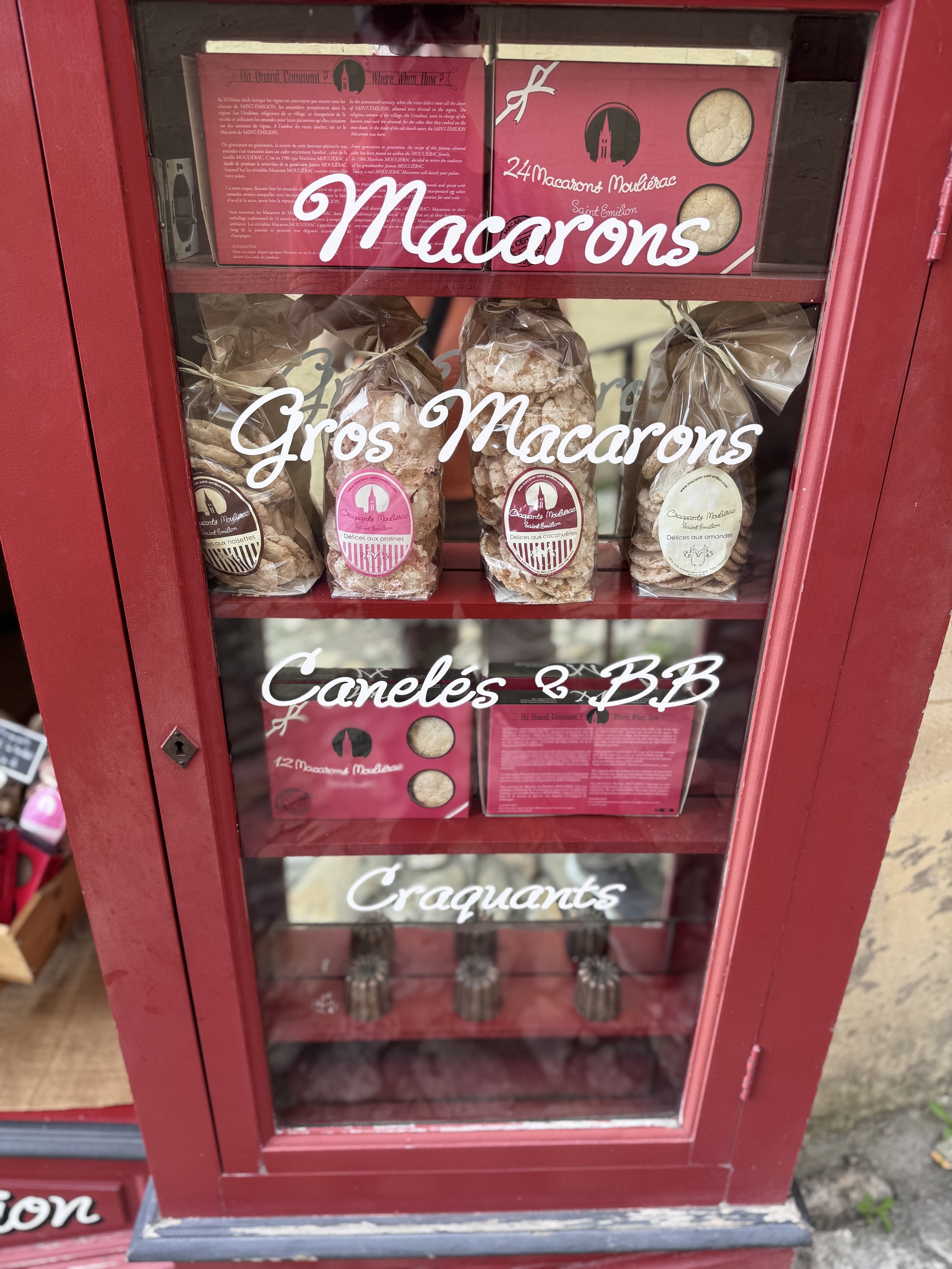
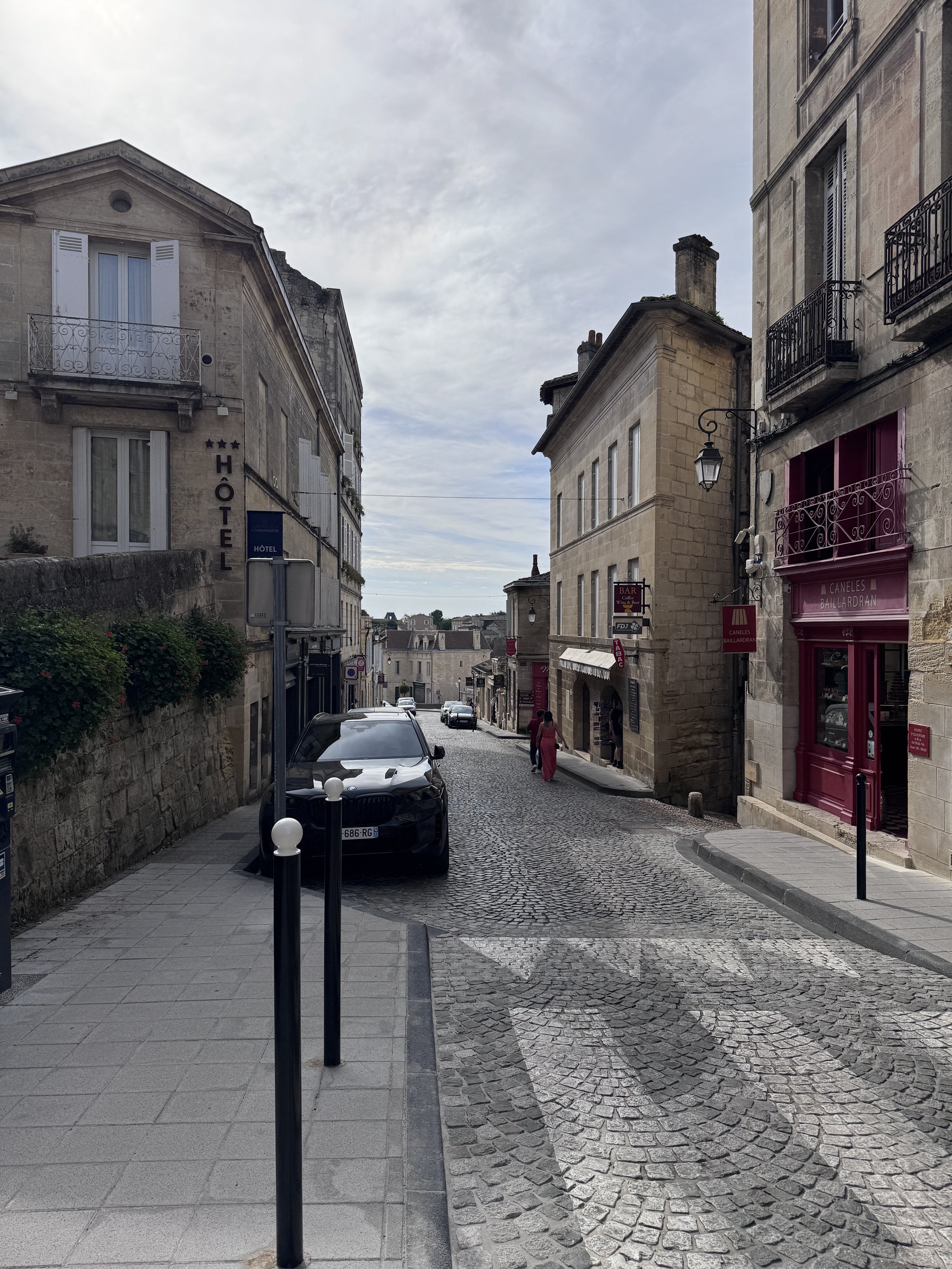
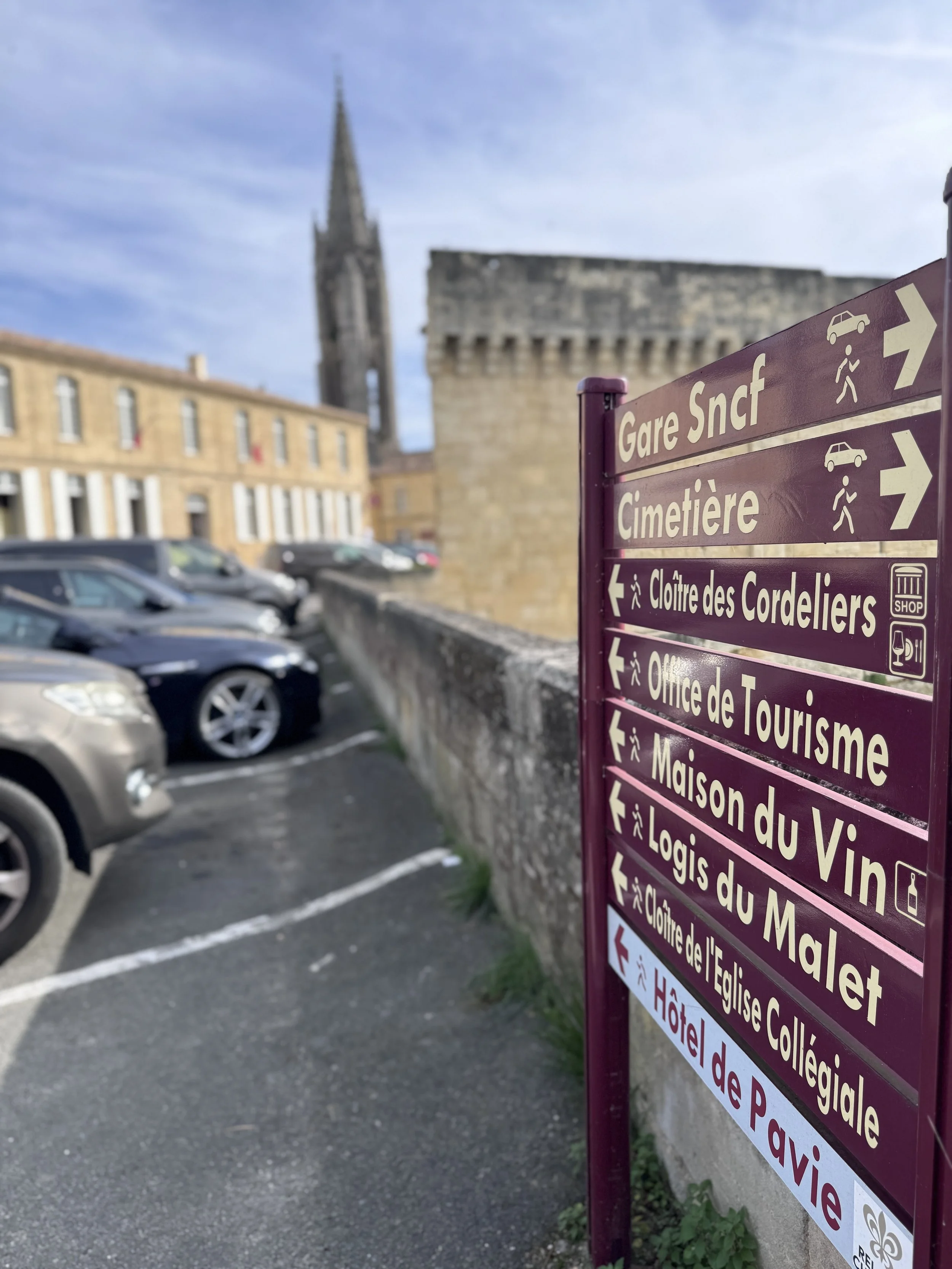
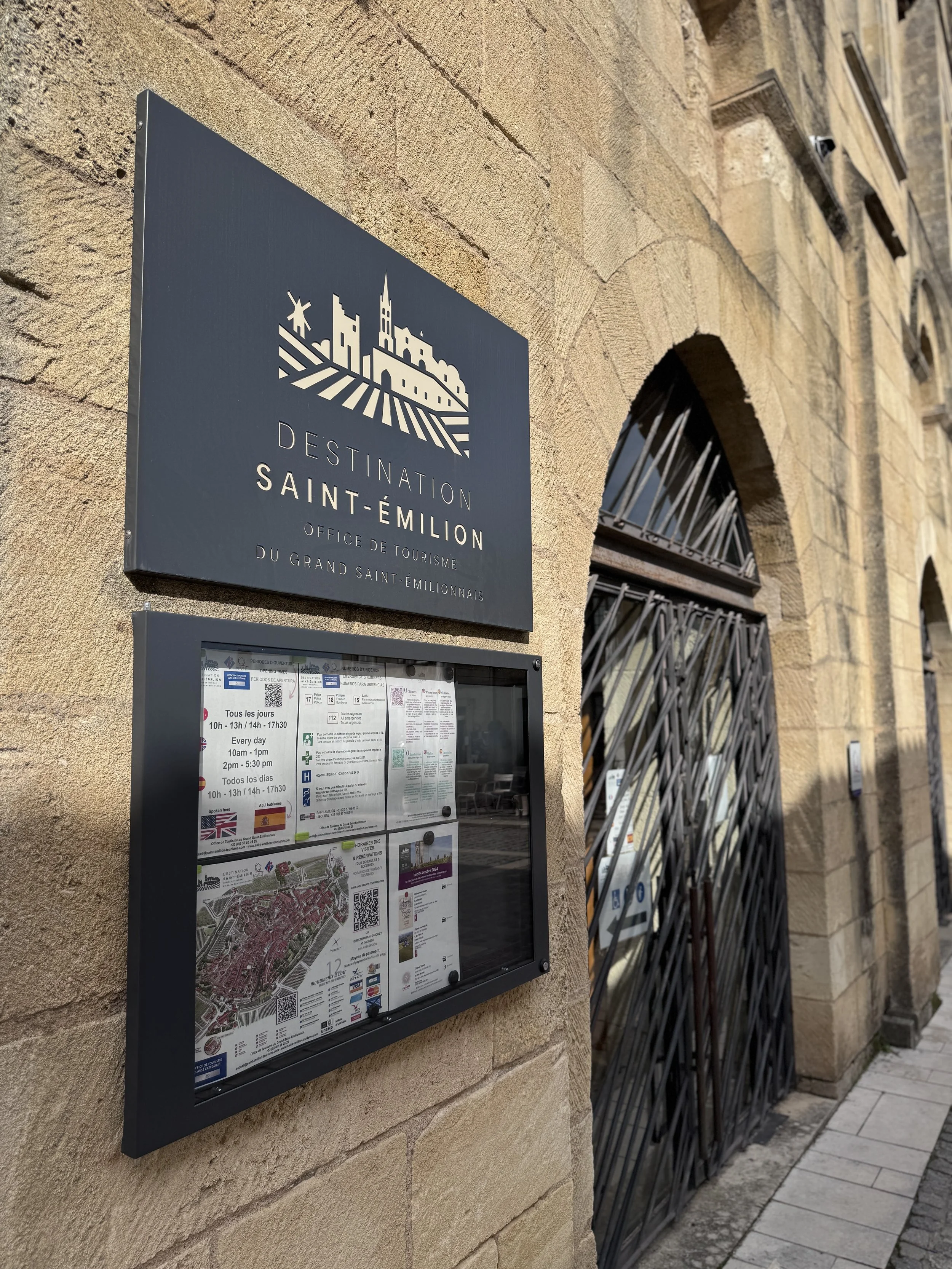
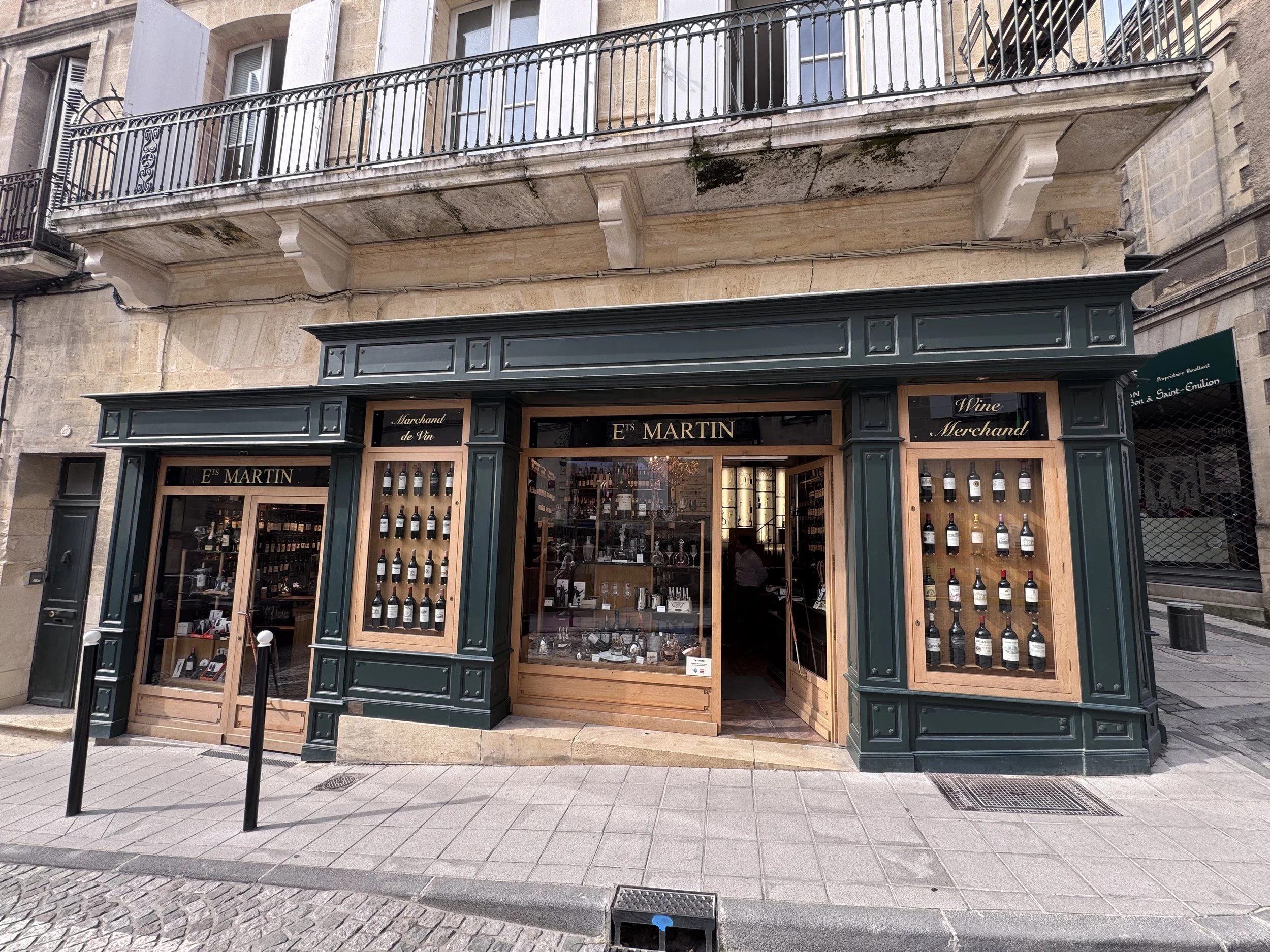
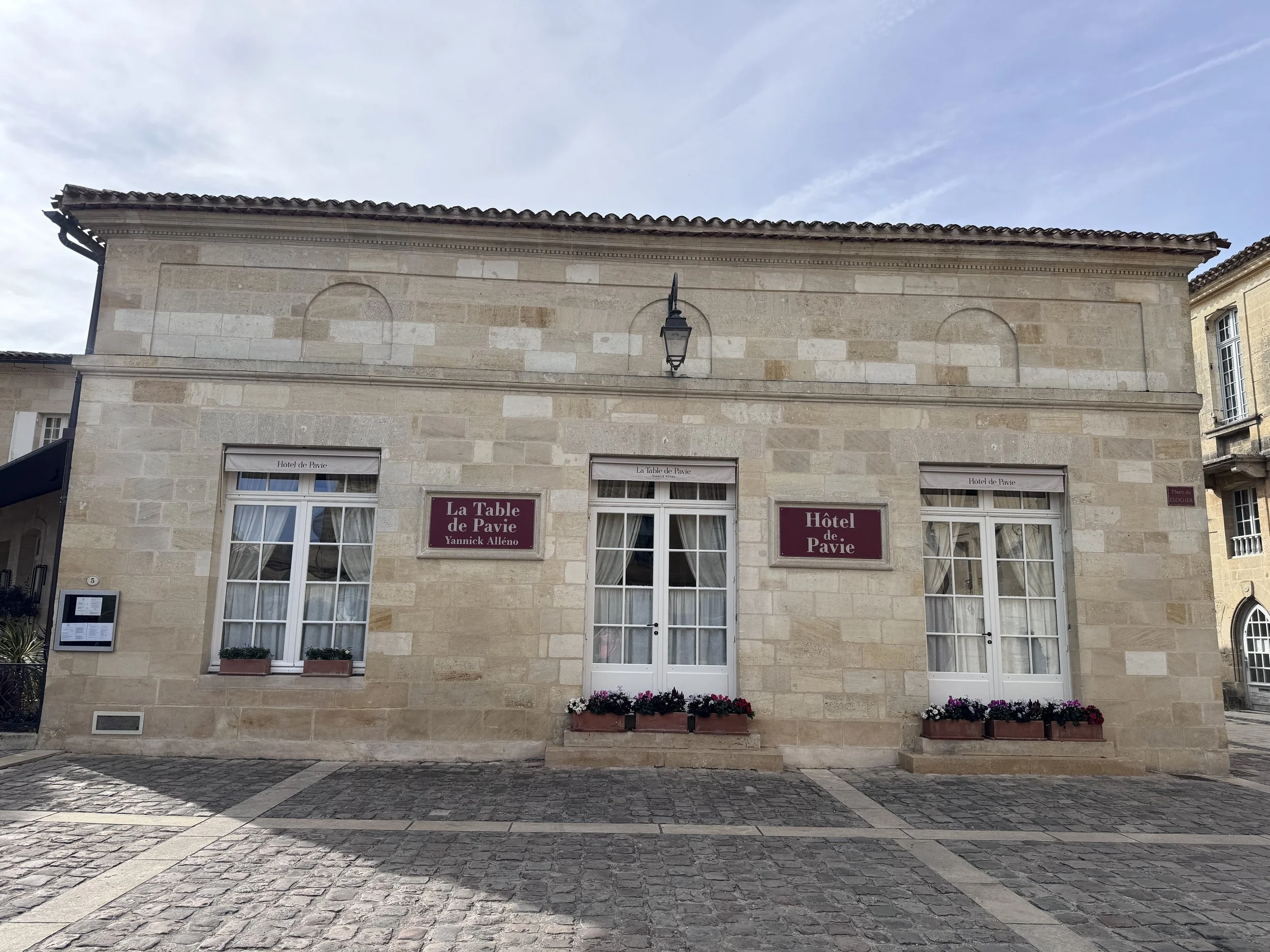
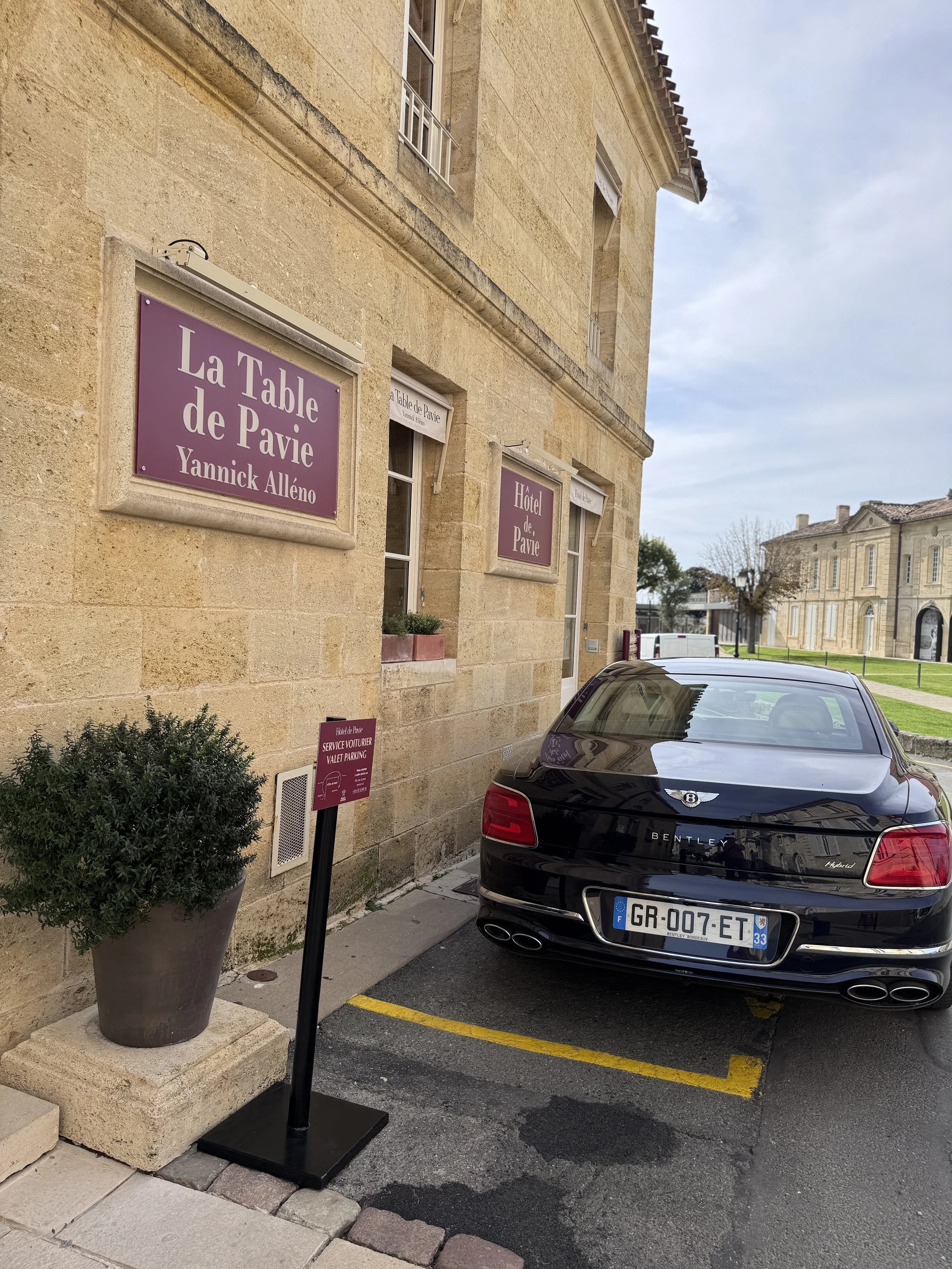
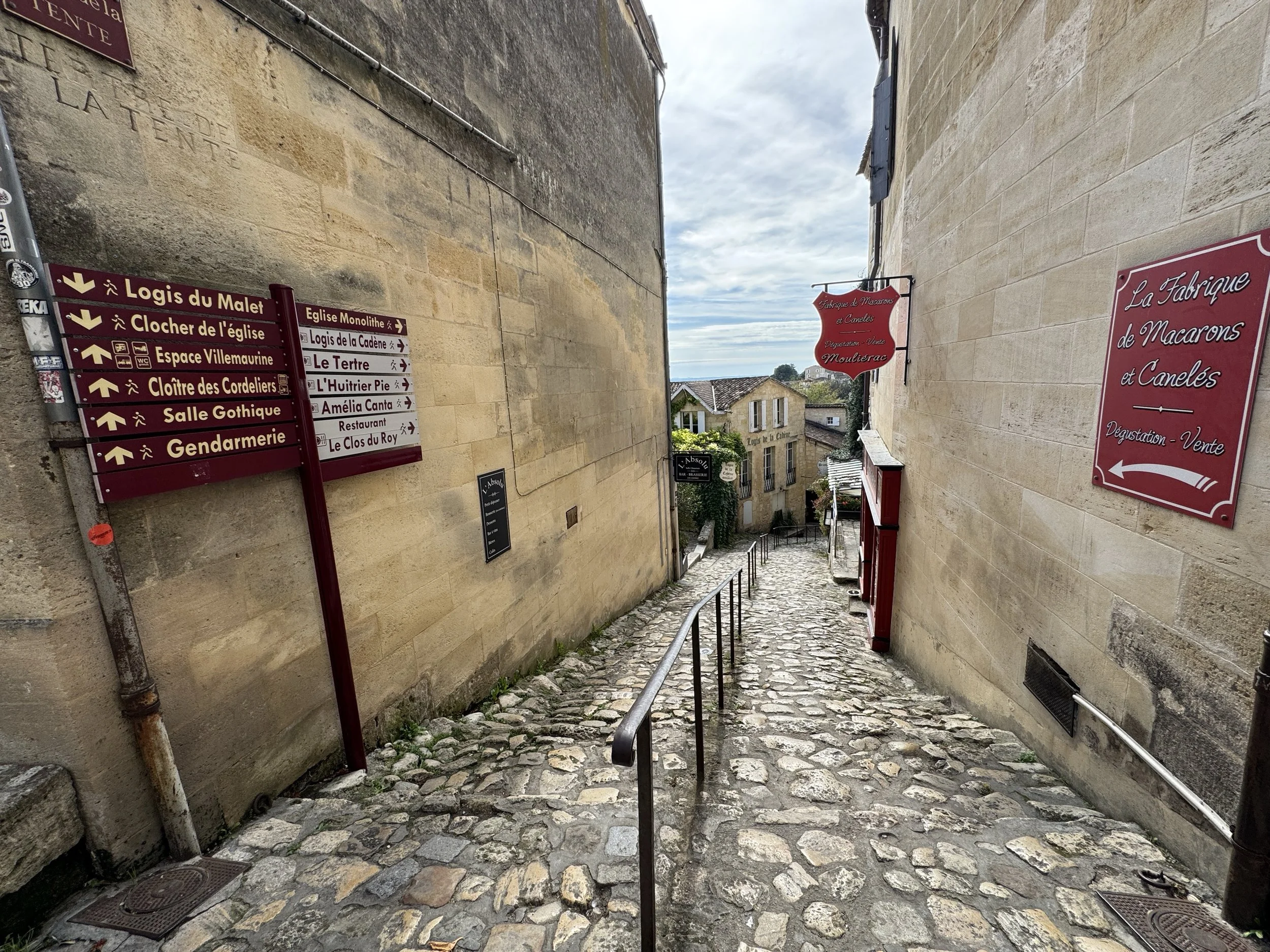
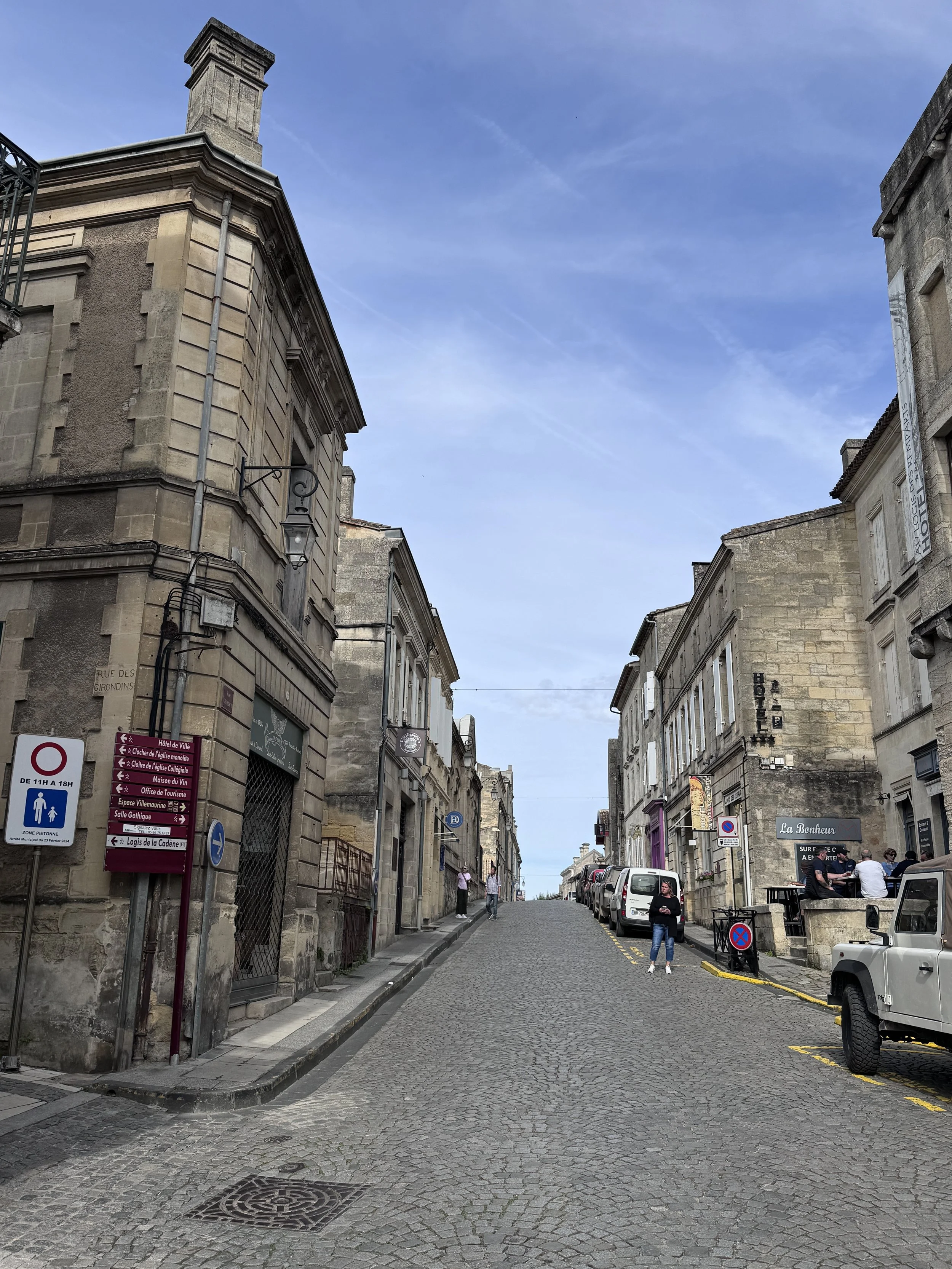
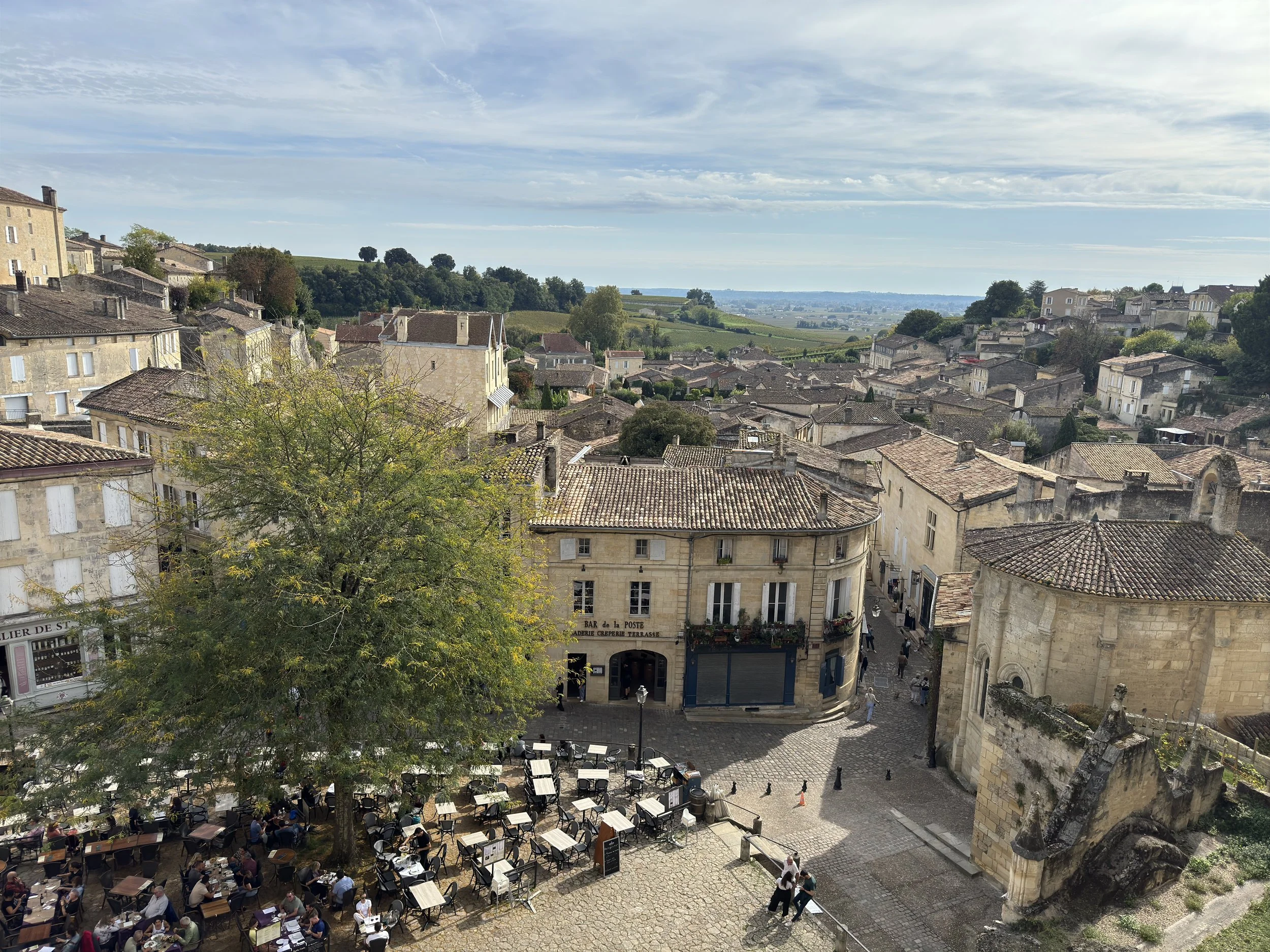
At the heart of Saint-Émilion stands a magnificent cathedral, its striking architecture both humbling and awe-inspiring—a powerful testament to the centuries of history embedded in this remarkable town. Walking through the church and taking in its grandeur was a truly moving experience. Just beyond the church, the space opens into a serene courtyard framed by elegant Romanesque pillars. As sunlight filters through the arches, casting long, dramatic silhouettes across the stone floor, the scene becomes effortlessly beautiful—one of those picture-perfect moments that lingers long after you’ve left.
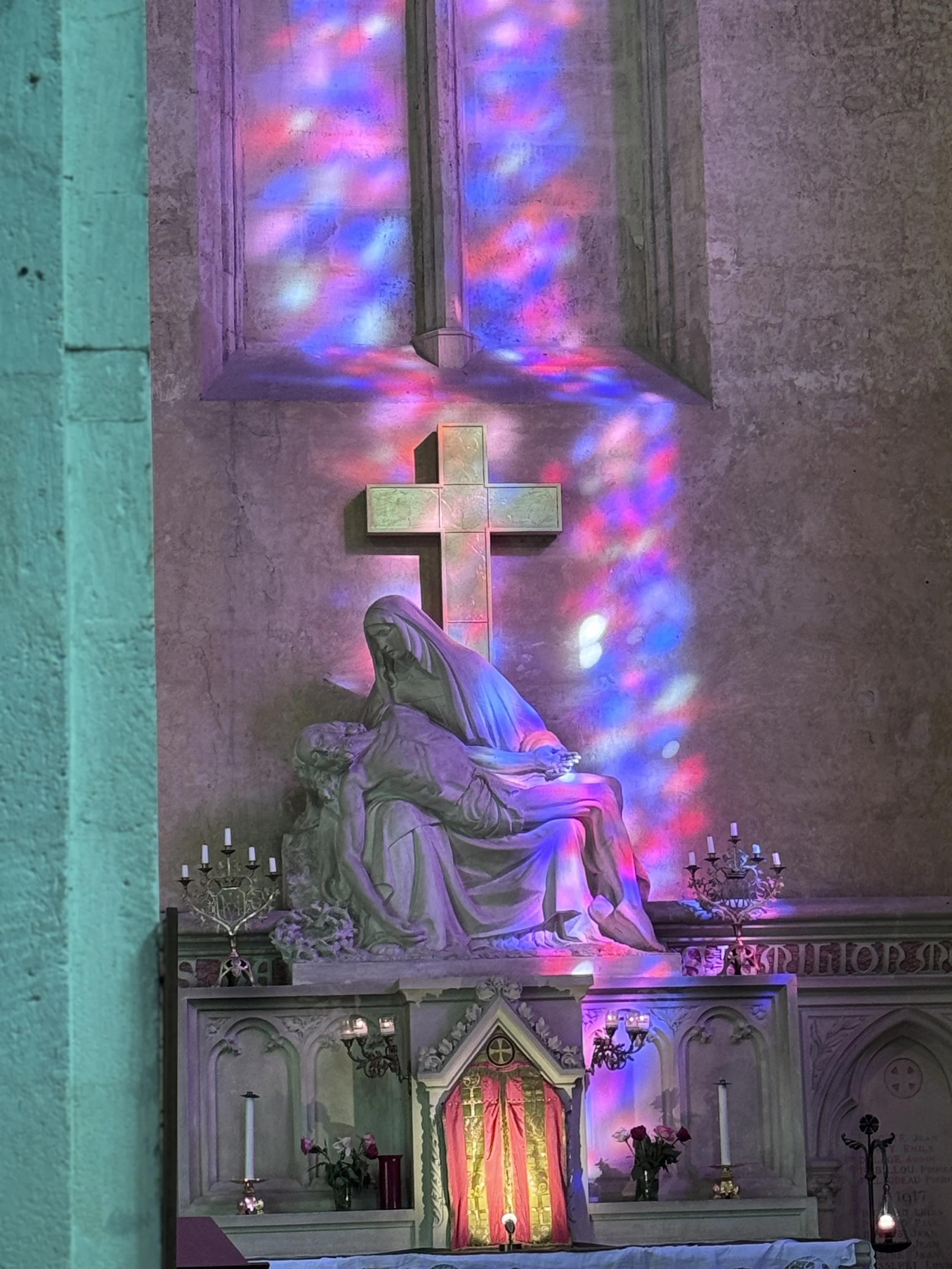
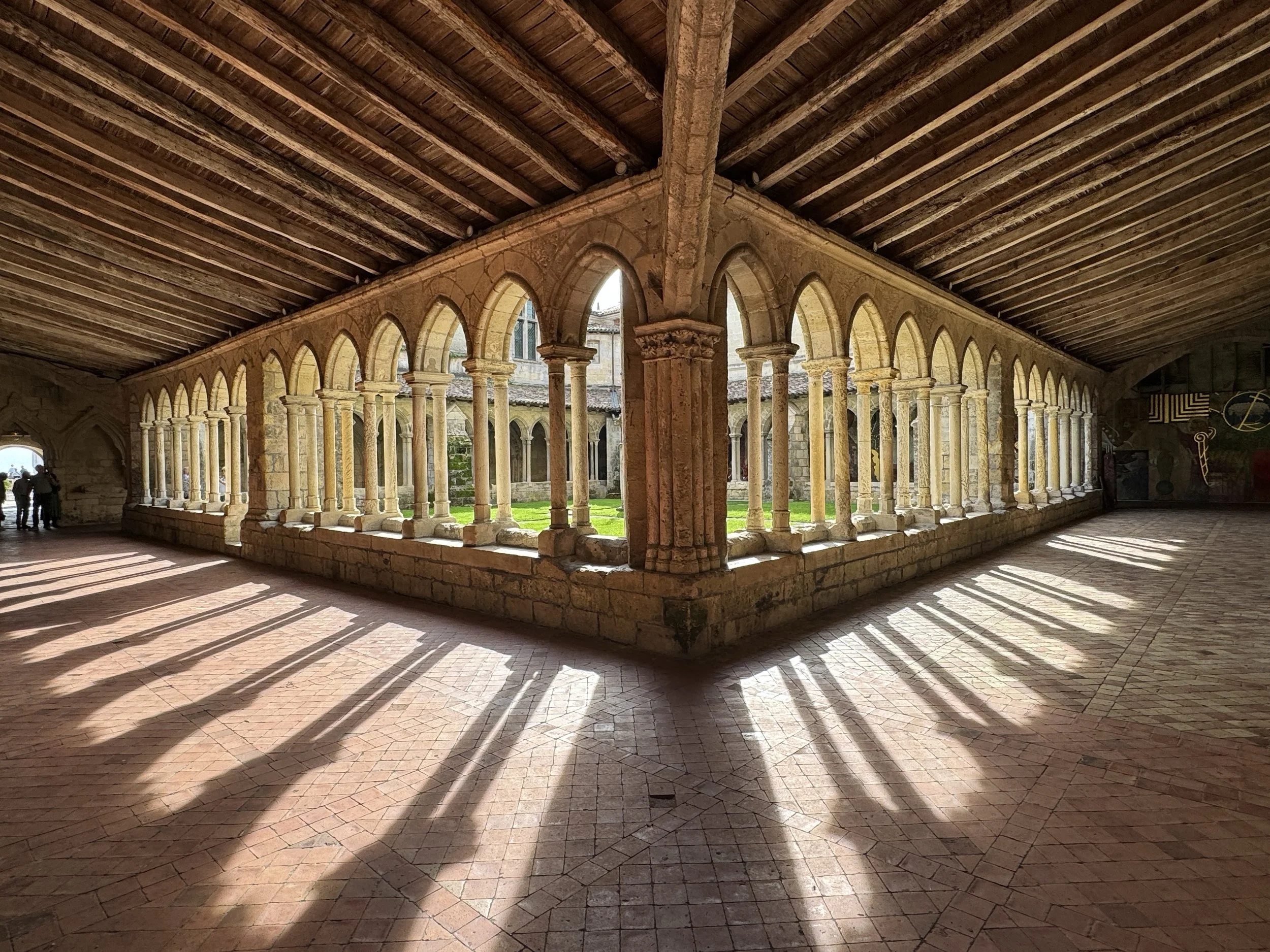
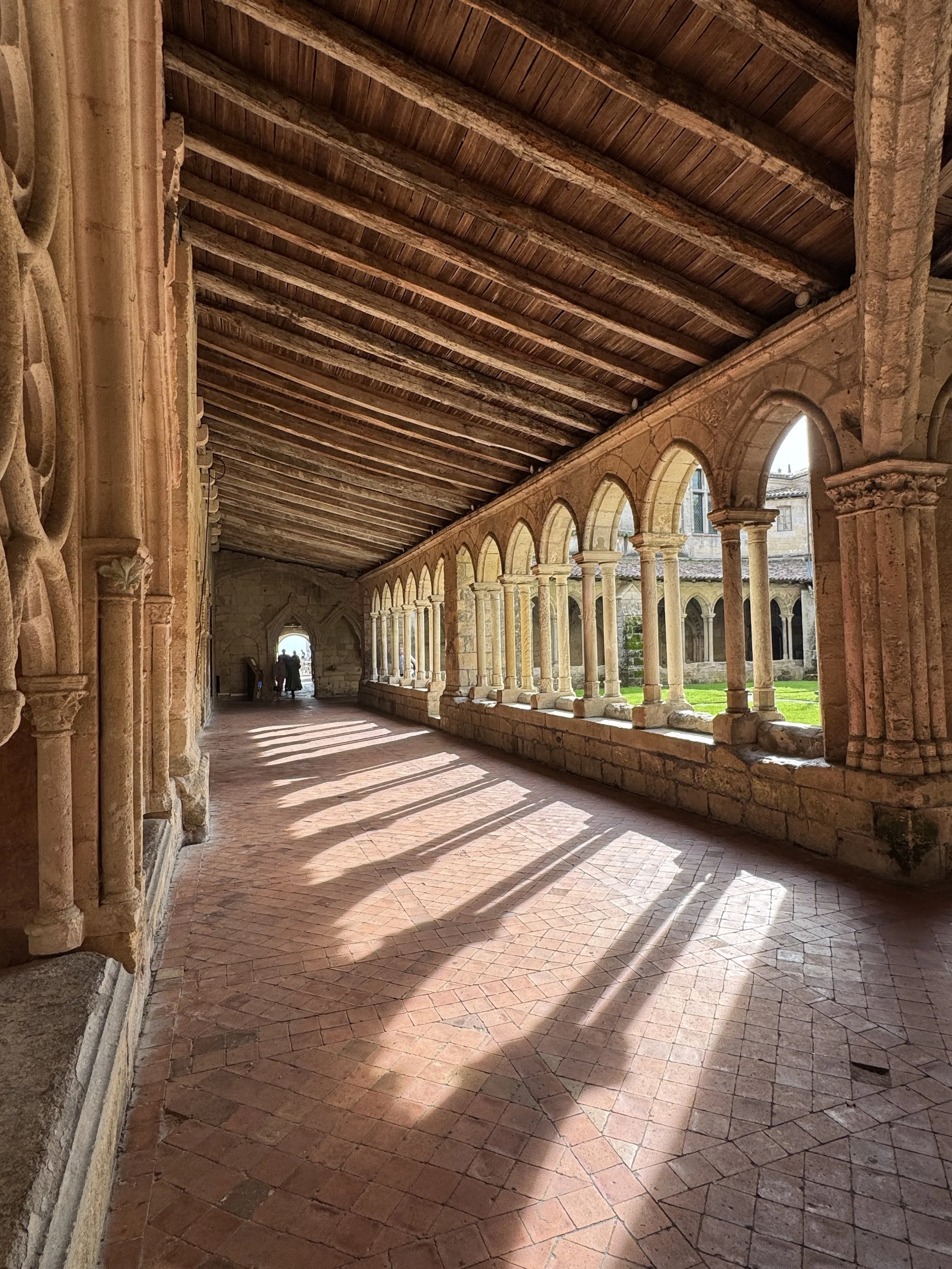
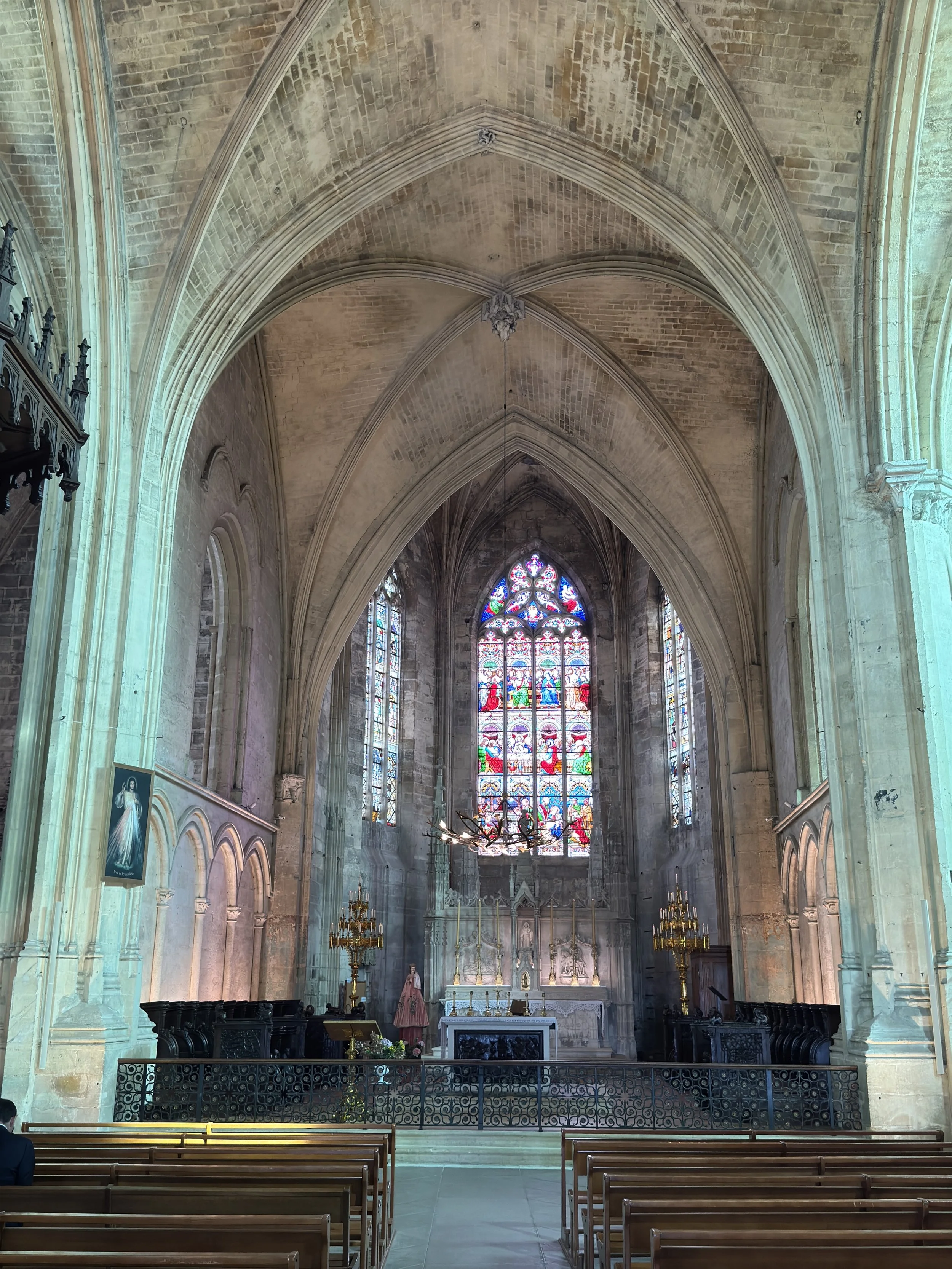
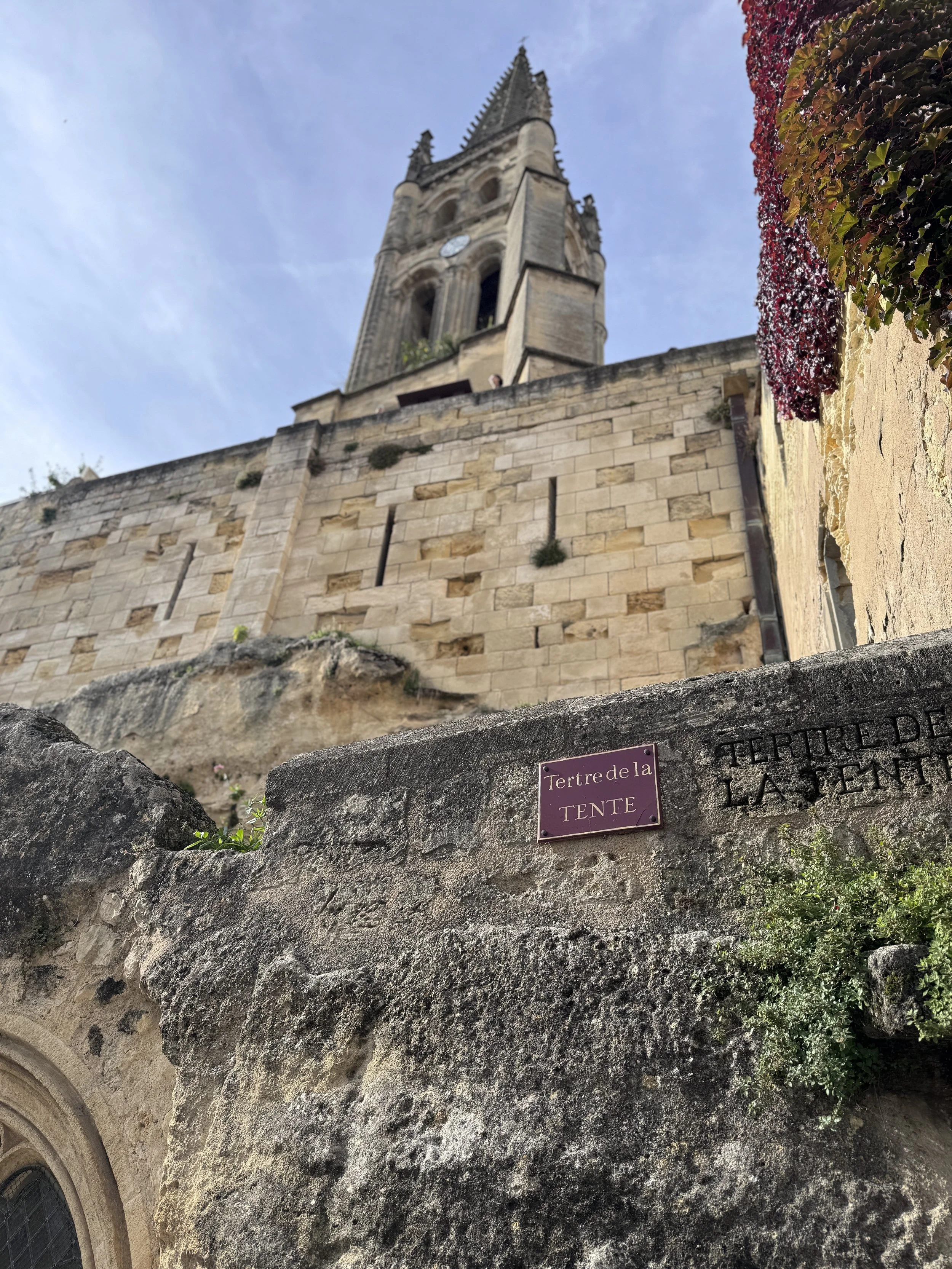
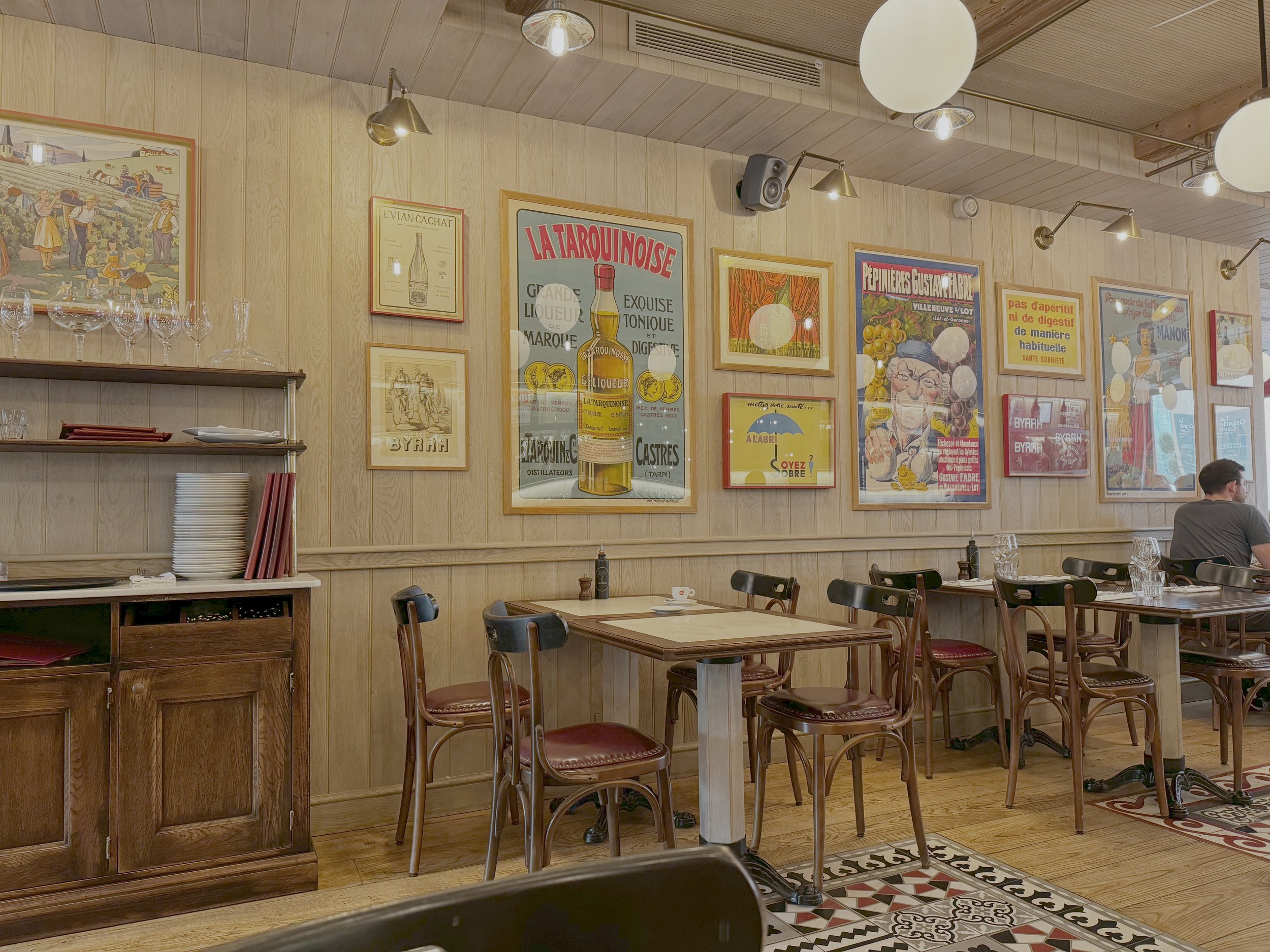
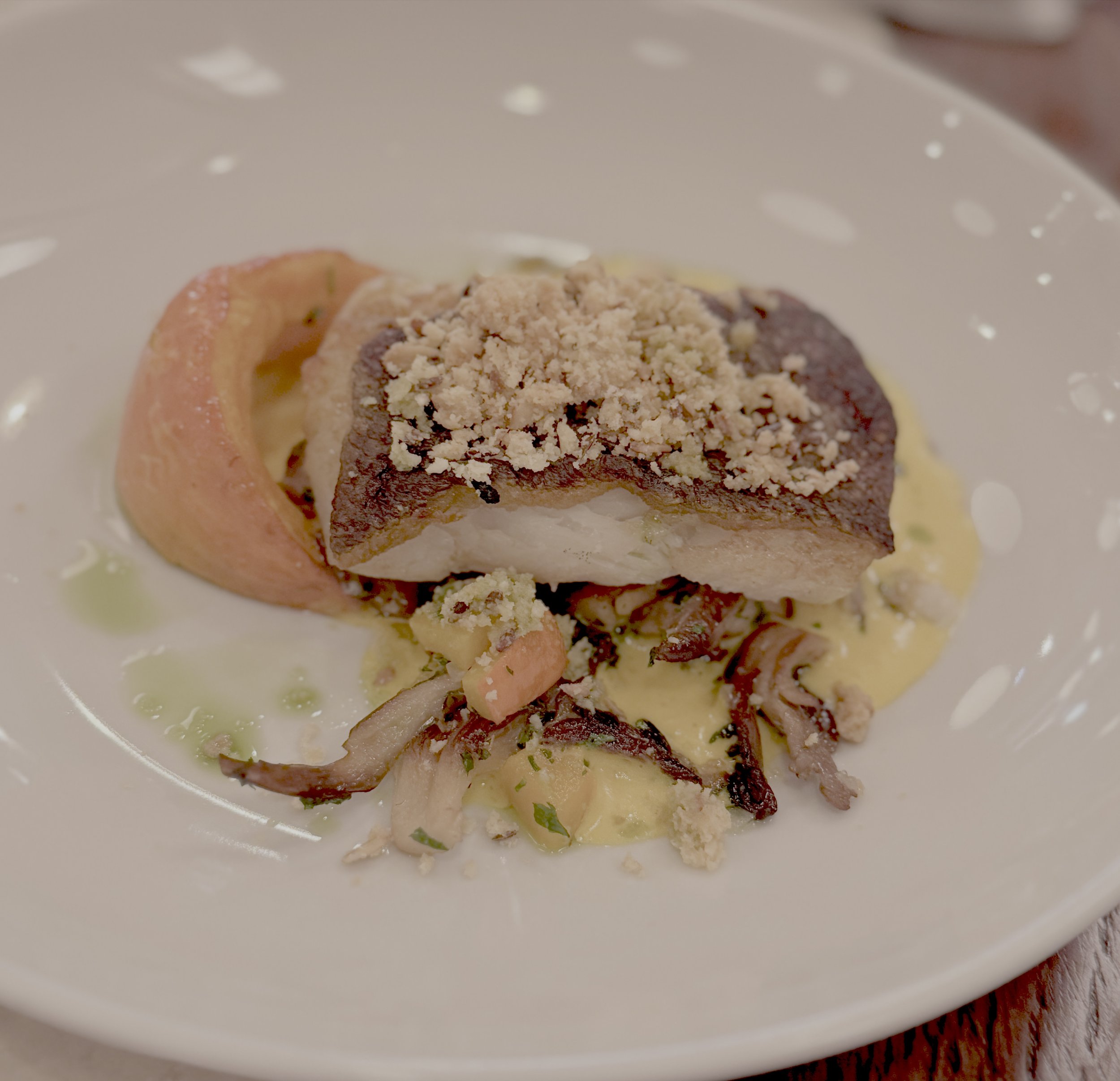
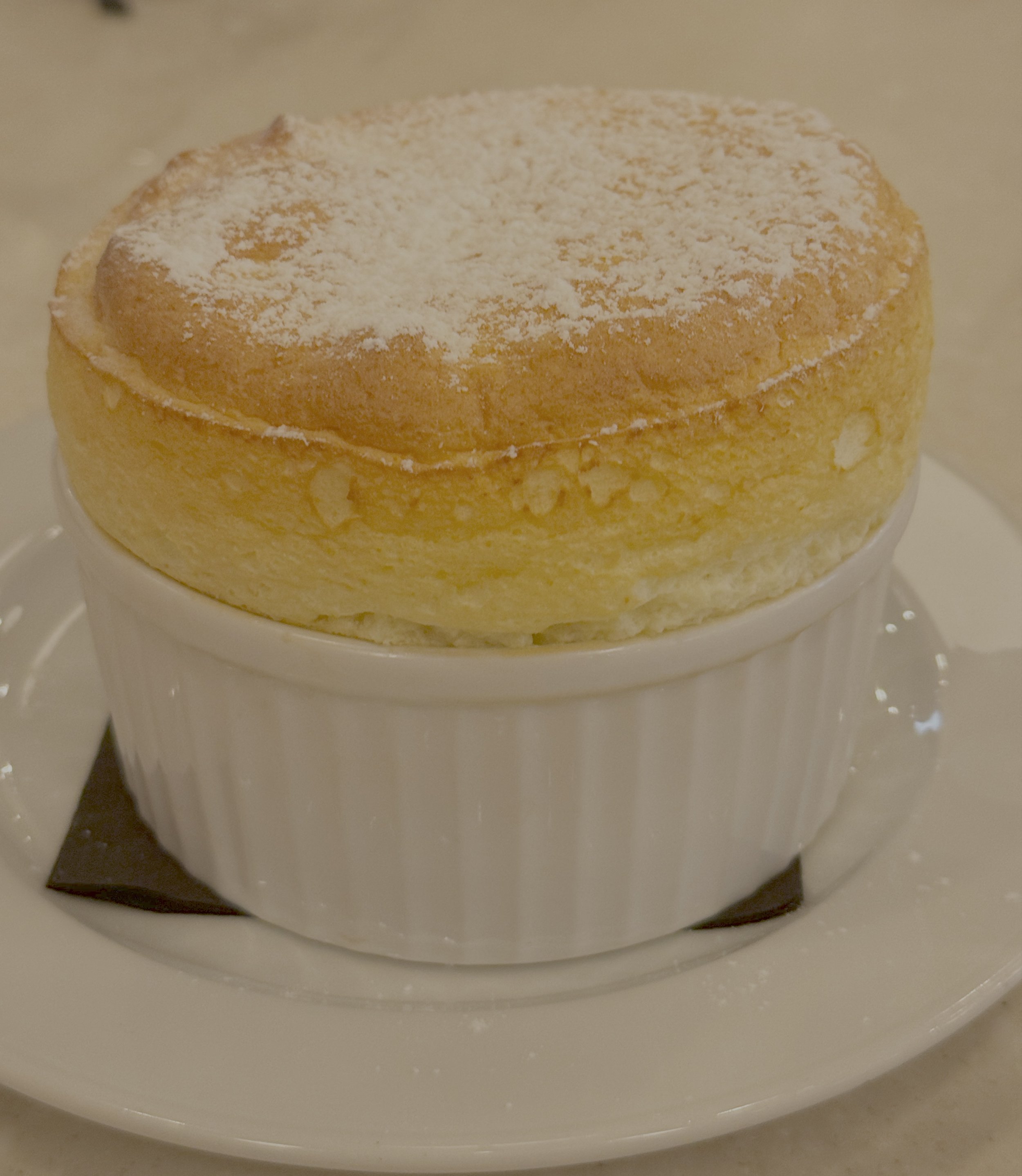
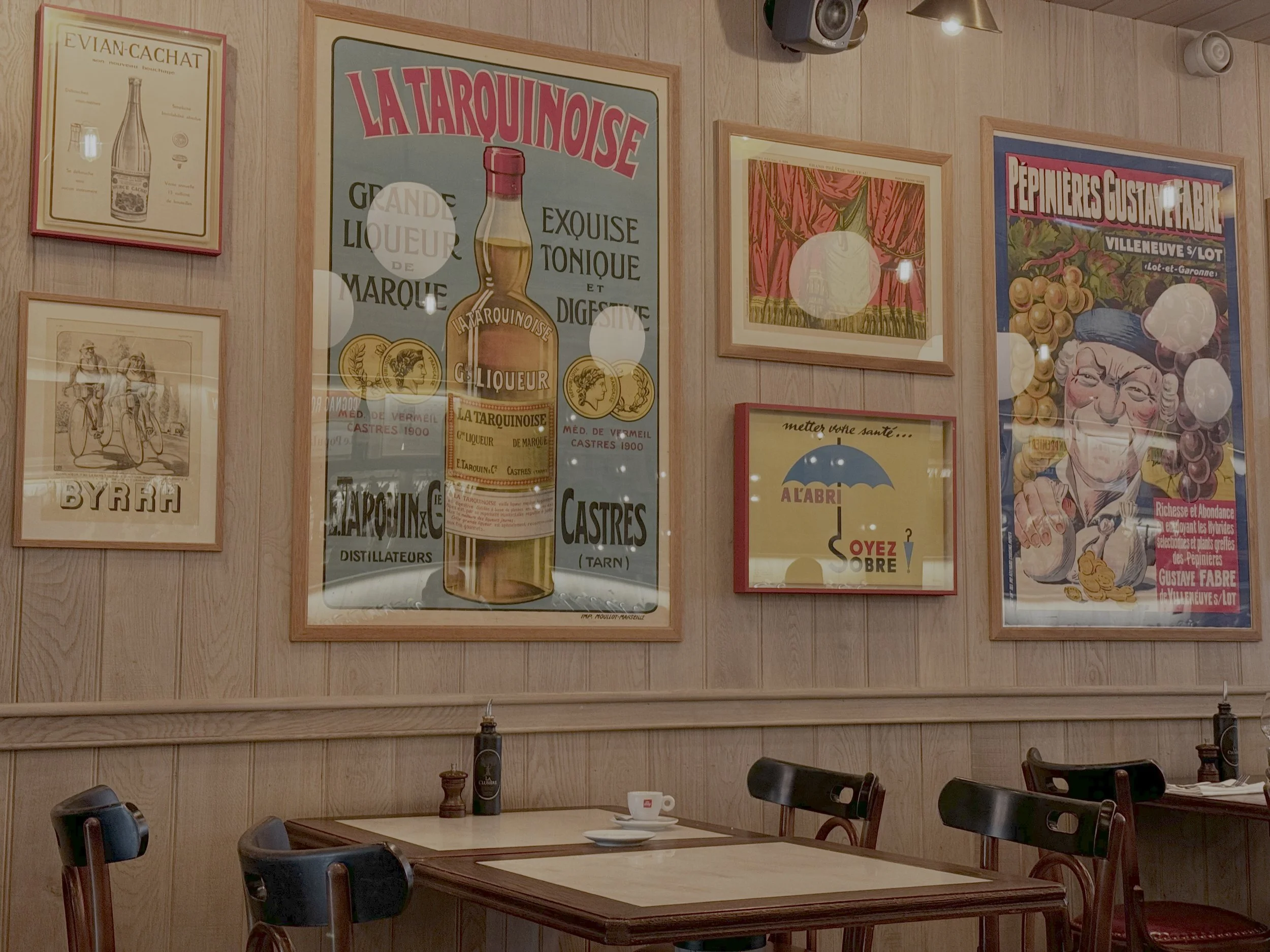
We stopped for lunch at a local French bistro and enjoyed a truly memorable meal, perfectly paired with a crisp glass of white Saint-Émilion wine—a pleasant surprise in a region renowned primarily for its reds. The bistro itself was full of character and charm, decorated with vintage French posters that made the experience feel unmistakably and wonderfully French. We couldn’t end the meal without a classic soufflé, and it was worth every bite—light, rich, and absolutely delicious. Between the food, the wine, and the town’s irresistible atmosphere, Saint-Émilion left a lasting impression and quickly became one of our favorite stops in France.
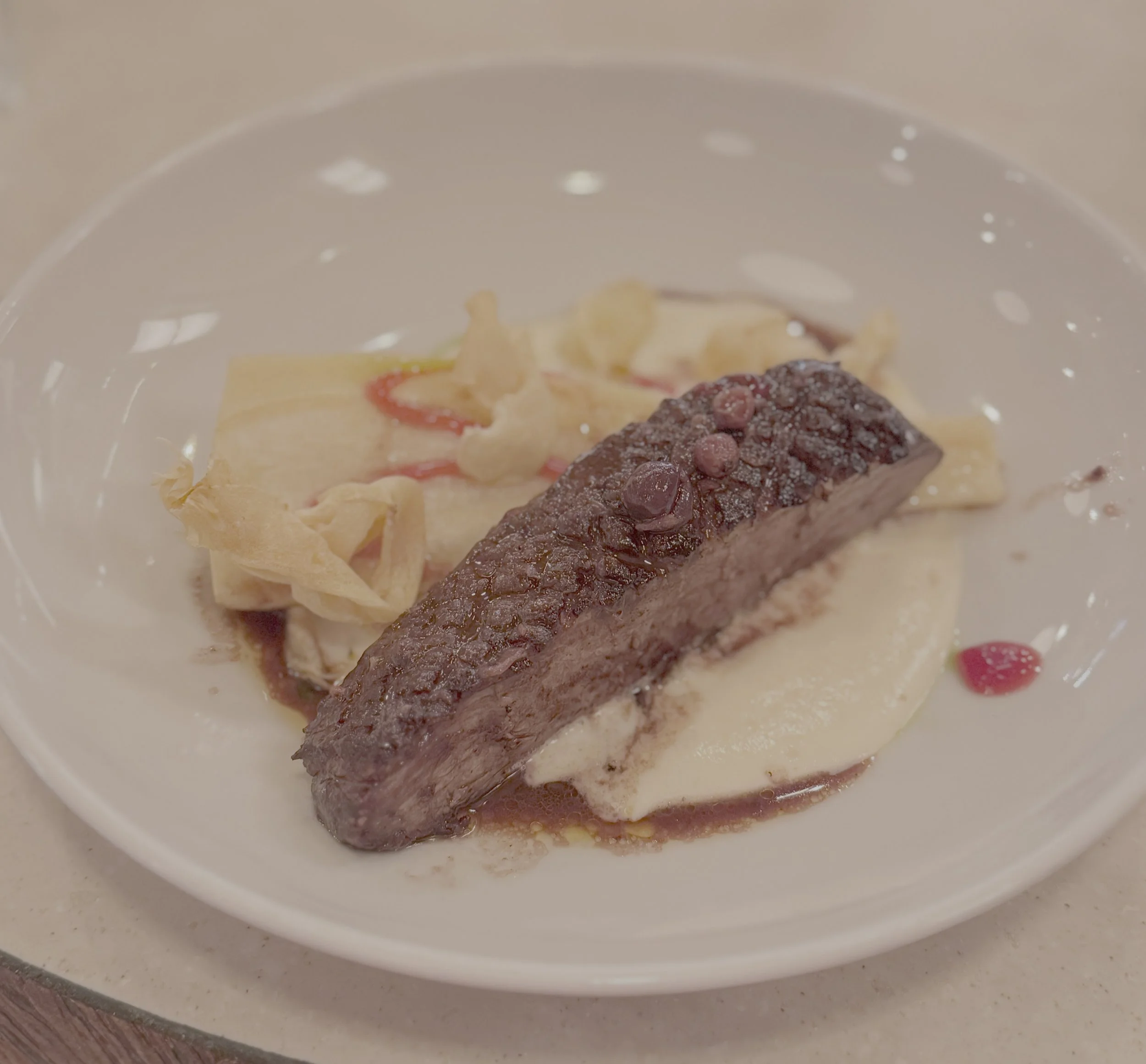
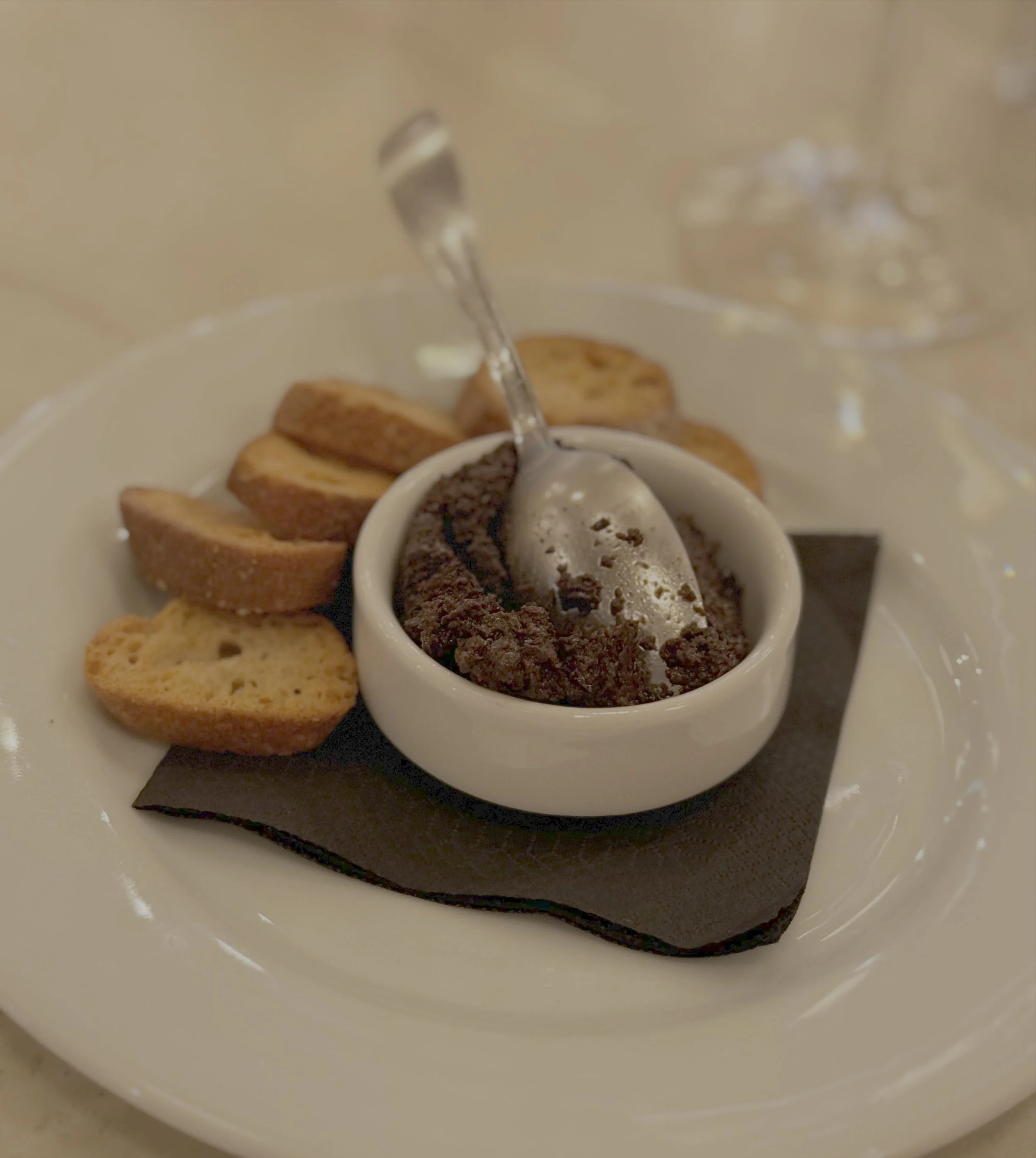
Our Saint-Émilion tour concluded with a final tasting at Château de Ferrand, where we sampled several Pomerol wines, including their reserve cuvée La Fleur 2017—a 100% Merlot aged entirely in new oak. While these wines weren’t personally my favorite, the difference in style and complexity was immediately apparent. The wines from Château de Ferrand leaned toward a more earthy, leathery profile, offering a deeper and more rustic expression compared to others we had tasted. Even so, the experience was both rewarding and educational, rounding out the tour beautifully and providing a well-balanced perspective on the diverse styles and expressions that the Saint-Émilion region has to offer.
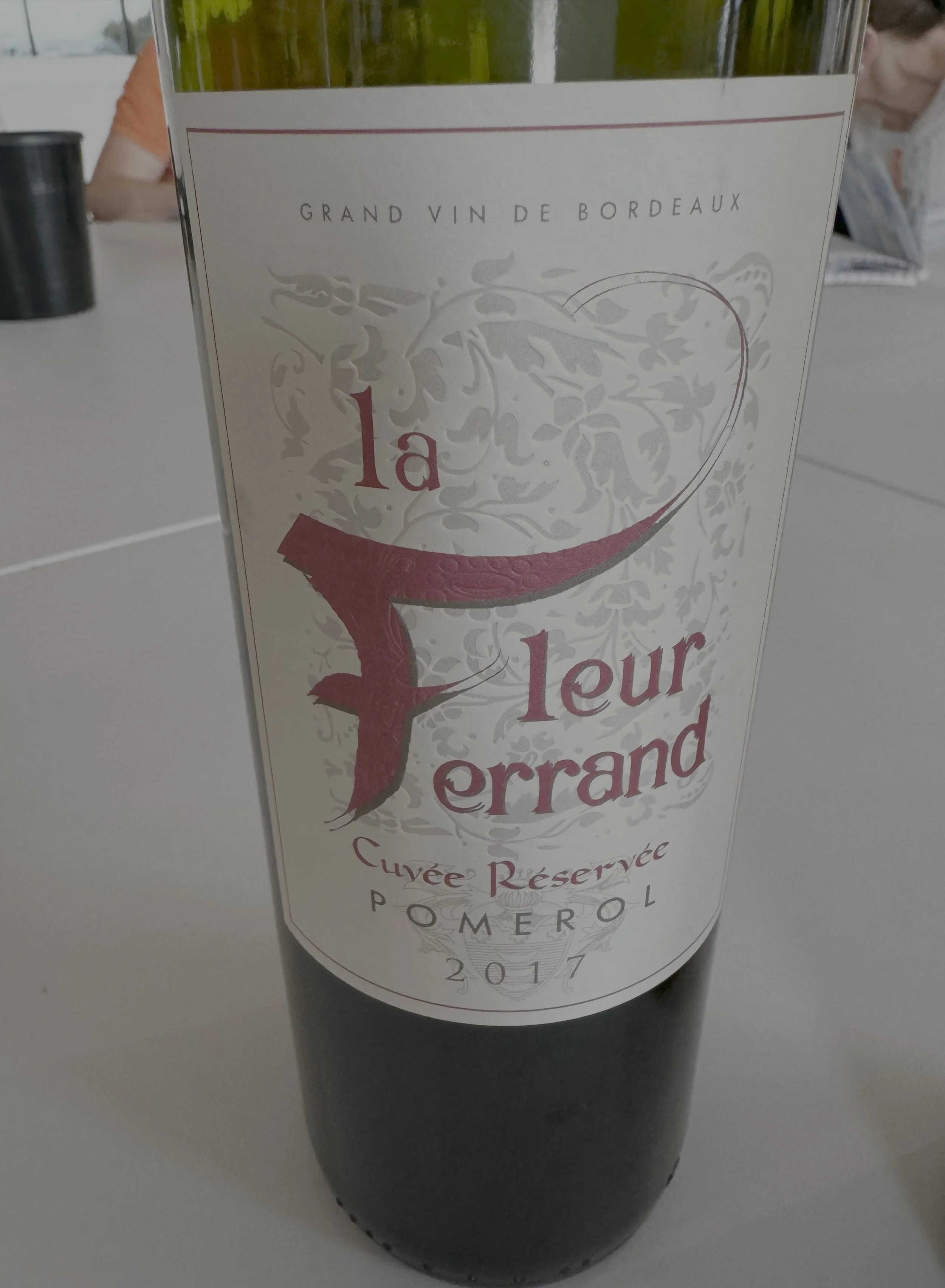
La Fleur Cuvee Reservee 2017
The oldest of the three wines we tasted at Chateau du Ferrand. The copper brown hints on the wine shows the age layered by aroma of dark cherries but do not be fooled by the color as this wine still displays a powerful acidity that will allow the wine to age beautifully. I am also picking up the minerality and earthiness from clay, and an herbaceous notes from this wine.
Our time in Saint-Émilion was a truly enriching experience, blending history, craftsmanship, and a deep appreciation for wine. From wandering through its charming cobblestone streets to visiting wineries that span both modern innovation and centuries-old tradition, each stop offered a unique perspective on the region’s character. Thoughtful tastings, warm hospitality, and eye-opening conversations brought the wines—and the stories behind them—to life. More than just a wine destination, Saint-Émilion left us with a lasting sense of place, reminding us why this region continues to captivate wine lovers from around the world. 🍷
So, if you have not been to this region or tasted wines from Saint-Émilion, make sure to add this in your bucket list for the next time you visit France. I highly recommend staying even a day or two at this charming little town to fully immerse yourself into what this region has to offer.
